

In the realm of plastic manufacturing, Polypropylene (PP) blow molding machines play a pivotal role in producing a wide range of plastic products, from water bottles to cosmetic containers. One of the key performance indicators of a PP blow molding machine is its clamping speed. This blog post aims to delve into what clamping speed is, its significance, factors affecting it, and how it impacts the overall efficiency of the blow - molding process. As a trusted supplier of PP blow molding machines, we have in - depth knowledge and experience in this field, and we're eager to share our insights with you.
What is Clamping Speed?
The clamping speed of a PP blow molding machine refers to the rate at which the mold - clamping unit closes and opens. When the machine is in operation, the clamping unit holds the mold securely in place during the blow - molding process. The clamping speed is measured in terms of the time taken for the clamping unit to move from the fully open position to the fully closed position and vice versa.
For instance, if a machine takes 3 seconds to close the mold from its open state and another 3 seconds to open it back up, the clamping speed is directly related to this 6 - second cycle. A faster clamping speed means that the machine can complete more molding cycles within a given period, leading to increased production output.
Significance of Clamping Speed
1. Production Efficiency
The most obvious benefit of a high clamping speed is the improvement in production efficiency. In a manufacturing environment where time is money, a faster clamping speed allows for quicker mold changes and shorter cycle times. This means that more plastic products can be produced in an hour, a day, or a week. For example, if a traditional machine with a slower clamping speed can produce 100 water bottles per hour, a machine with a significantly faster clamping speed might be able to produce 150 or more in the same time frame. This increase in output can lead to higher revenues and a more competitive edge in the market.
2. Energy Savings
Faster clamping speeds can also contribute to energy savings. The shorter the time the machine spends on each cycle, the less energy it consumes overall. This is because the machine is not running for as long, reducing the amount of electricity used for operations such as moving the clamping unit, heating the plastic, and operating the blow - molding mechanism. Energy savings not only reduce the operational costs for the manufacturer but also make the production process more environmentally friendly.
3. Product Quality
Surprisingly, clamping speed can also have an impact on product quality. A fast and consistent clamping speed ensures that the mold closes evenly and precisely every time. This reduces the likelihood of defects such as uneven wall thickness, flash, or misaligned parts in the final product. For plastic bottles, a uniform wall thickness is crucial for strength and functionality. With a reliable and fast clamping speed, manufacturers can produce high - quality products that meet or exceed industry standards.
Factors Affecting Clamping Speed
1. Machine Design and Construction
The design and construction of the PP blow molding machine play a significant role in determining its clamping speed. Machines with advanced hydraulic or servo - motor systems tend to have faster clamping speeds compared to those with more basic mechanical systems. Hydraulic systems can provide high - force and rapid movement, while servo - motor systems offer precise control and quick response times. Additionally, the overall structural integrity of the machine affects how smoothly the clamping unit can move. A well - built machine with minimal friction and proper alignment will have a faster and more consistent clamping speed.
2. Mold Size and Complexity
The size and complexity of the mold being used also impact the clamping speed. Larger molds generally require more time to close and open because the clamping unit has to cover a greater distance. Similarly, complex molds with multiple moving parts or intricate designs may need slower clamping speeds to ensure proper alignment and prevent damage to the mold. For example, a large - scale Water Bottle Blow Molding Machine that produces gallon - sized water bottles will have a different clamping speed requirement compared to a machine that produces small, simple plastic vials.
3. Maintenance and Lubrication
Regular maintenance and proper lubrication are essential for maintaining a high clamping speed. Over time, the moving parts of the clamping unit can wear down, leading to increased friction and slower movement. By performing routine maintenance tasks such as cleaning, inspecting for wear and tear, and lubricating the appropriate components, manufacturers can ensure that the clamping unit operates at its optimal speed. Neglecting maintenance can result in a significant decrease in clamping speed and overall machine performance.
Impact on Different Types of Blow - Molding Applications
1. Water Bottle Blow Molding
In the production of water bottles, a fast clamping speed is crucial for meeting high - volume production demands. Water bottles are in high demand, and manufacturers need to produce them as quickly as possible to keep up with the market. A Water Bottle Blow Molding Machine with a fast clamping speed can produce a large number of bottles in a short period, ensuring a steady supply to retailers and consumers.
2. Plastic Bottle Blow Molding
The plastic bottle industry encompasses a wide range of products, from beverage bottles to household cleaning product containers. Different sizes and shapes of plastic bottles require different clamping speeds. For smaller plastic bottles, a very fast clamping speed can be achieved, allowing for rapid production. On the other hand, larger or more complex plastic bottles may need a slightly slower but still efficient clamping speed to ensure proper molding. Our Plastic Bottle Blow Molding Machine is designed to offer adjustable clamping speeds to accommodate various bottle - making requirements.

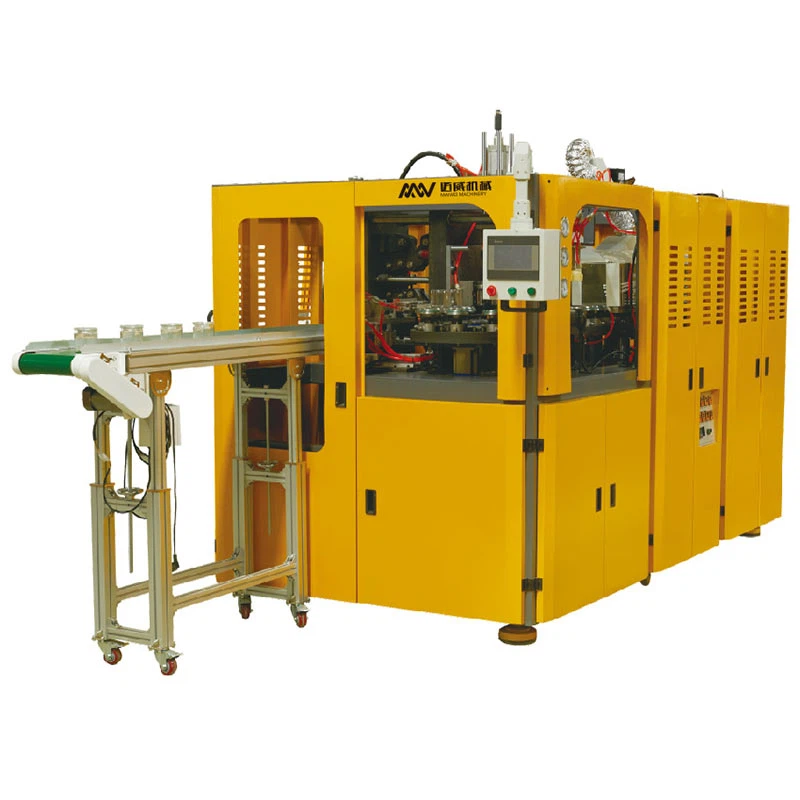
3. Cosmetic Bottle Blow Molding
Cosmetic bottles often have unique designs and high - quality requirements. A fast yet precise clamping speed is necessary to produce these bottles without any defects. The Cosmetic Bottle Blow Molding Machine needs to close the mold accurately to create the intricate shapes and smooth surfaces that are characteristic of cosmetic packaging. A reliable clamping speed ensures that each bottle meets the aesthetic and functional standards expected in the cosmetic industry.
How Our PP Blow Molding Machines Excel in Clamping Speed
As a leading supplier of PP blow molding machines, we have invested heavily in research and development to optimize the clamping speed of our machines. Our machines are equipped with state - of - the - art hydraulic and servo - motor systems that provide rapid and precise movement of the clamping unit. We use high - quality materials in the construction of our machines to reduce friction and ensure smooth operation.
Moreover, our machines are designed to be easily customizable. Depending on the specific needs of our customers, we can adjust the clamping speed to suit different mold sizes and production requirements. Whether you are producing small - scale cosmetic bottles or large - volume water bottles, our machines can be tailored to deliver the optimal clamping speed for maximum efficiency and product quality.
Conclusion
The clamping speed of a PP blow molding machine is a critical factor that significantly impacts production efficiency, energy consumption, and product quality. Understanding what clamping speed is, the factors that affect it, and its importance in different blow - molding applications is essential for any manufacturer in the plastic industry.
As a trusted supplier of PP blow molding machines, we are committed to providing our customers with machines that offer high - speed clamping and outstanding performance. If you are looking to upgrade your production line or invest in a new PP blow molding machine, we encourage you to contact us for a detailed discussion about your specific needs. Our team of experts is ready to assist you in finding the perfect solution for your business.
References
- Modern Plastics Encyclopedia. A comprehensive guide to plastic manufacturing processes and machinery.
- Journal of Plastic Processing Technology. Research papers on the latest advancements in blow - molding technology, including clamping speed optimization.


