

As a seasoned preform mold supplier, I've witnessed firsthand the pivotal role that core design plays in the manufacturing of preform molds. The core design isn't just a technical aspect; it's the heart and soul of a preform mold, influencing everything from the quality of the preforms to the efficiency of the production process. In this blog, I'll delve into the intricacies of core design in a preform mold, sharing insights gained from years of experience in the industry.
The Fundamentals of Core Design
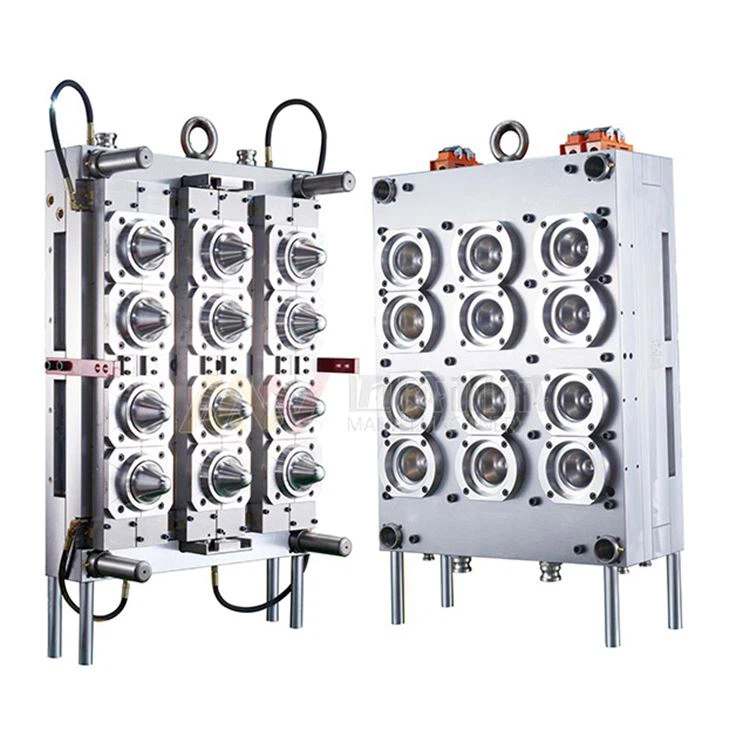
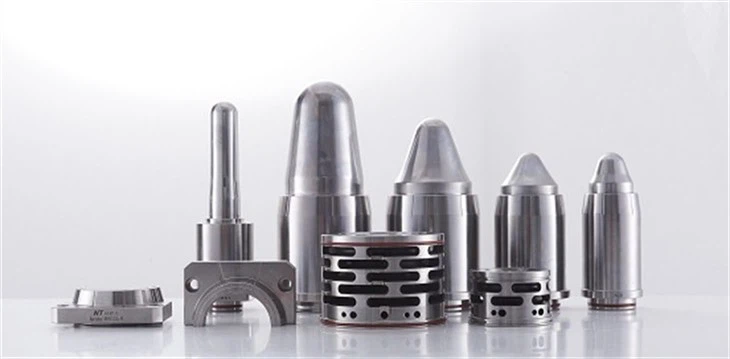
At its most basic level, the core of a preform mold is the part that shapes the inside of the preform. It's a critical component because it determines the internal dimensions, shape, and surface finish of the preform. A well - designed core ensures that the preform meets the exact specifications required for subsequent blow - molding processes, which will transform the preform into the final plastic container.
One of the primary considerations in core design is the material. The core must be made from a material that can withstand the high pressures and temperatures involved in the injection - molding process. Common materials include high - grade steel alloys, which offer excellent strength, durability, and heat resistance. For example, some advanced steel alloys can maintain their dimensional stability even under extreme conditions, ensuring consistent preform quality over a large number of production cycles.
Geometric Design and Its Impact
The geometric design of the core is another crucial factor. The shape of the core directly affects the flow of the molten plastic during injection. A smooth and well - contoured core surface allows for uniform plastic flow, reducing the risk of defects such as air bubbles, weld lines, or uneven wall thickness in the preform.
For instance, when designing a core for a preform with a complex shape, such as one with a non - circular cross - section or intricate internal features, special attention must be paid to the draft angles. Draft angles are the slight taper on the core's surface that facilitates the easy ejection of the preform from the mold after cooling. Insufficient draft angles can cause the preform to stick to the core, leading to damage during ejection and potentially disrupting the production process.
Moreover, the core's length and diameter ratios are carefully calculated. These ratios influence the overall strength of the preform and its ability to be properly inflated during the blow - molding process. If the core's dimensions are not optimized, the preform may not expand uniformly, resulting in a final container with inconsistent wall thickness or other structural issues.
Cooling System Integration
Efficient cooling is essential for the production of high - quality preforms. The core design must incorporate an effective cooling system to rapidly and uniformly cool the molten plastic inside the preform. This not only reduces the cycle time, increasing production efficiency, but also helps to minimize internal stresses in the preform, which can lead to warping or cracking.
There are several ways to integrate a cooling system into the core design. One common method is the use of cooling channels drilled within the core. These channels allow a coolant, usually water, to circulate, absorbing heat from the core and transferring it away. The layout and diameter of these channels are carefully designed to ensure uniform cooling across the entire core surface. For example, a spiral - shaped cooling channel can provide more consistent cooling compared to a straight - line channel, as it covers a larger surface area of the core.
Another advanced cooling technique is the use of conformal cooling. Conformal cooling channels are designed to follow the exact shape of the core, providing more precise and efficient cooling. This technology, often made possible through additive manufacturing processes, can significantly improve the cooling performance, resulting in higher - quality preforms and shorter production cycles.
Surface Finish and Its Significance
The surface finish of the core has a direct impact on the appearance and quality of the preform. A smooth and polished core surface produces a preform with a shiny and defect - free outer surface. This is especially important for applications where the appearance of the final plastic container is crucial, such as in the packaging of consumer products.
In addition to aesthetics, a good surface finish also affects the release properties of the preform. A rough core surface can cause the preform to adhere to the core, making ejection difficult and potentially damaging the preform. By using advanced polishing techniques, such as diamond - like carbon (DLC) coating, the core surface can be made extremely smooth, reducing friction and ensuring easy preform ejection.
Compatibility with the Overall Mold Design
The core design must be fully compatible with the rest of the preform mold. It needs to fit precisely within the cavity of the mold, ensuring proper alignment and sealing. Any misalignment between the core and the cavity can lead to flash (excess plastic) at the parting line of the preform, which not only affects the appearance but also requires additional post - processing steps to remove.
Furthermore, the core design should be coordinated with other components of the mold, such as the hot runner system. The hot runner system is responsible for delivering the molten plastic to the mold cavity. The core design should ensure that the plastic flow from the hot runner system is evenly distributed around the core, preventing any blockages or uneven filling.
Real - World Applications and Case Studies
In the real world, the importance of core design is evident in various industries. For example, in the beverage packaging industry, where billions of plastic bottles are produced every year, the quality of the preform directly impacts the functionality and appearance of the final product. A well - designed core can produce preforms that are perfectly suited for high - speed blow - molding processes, ensuring consistent bottle quality and reducing production costs.
One of our clients in the food packaging sector was facing issues with the quality of their preforms. The preforms had uneven wall thickness and visible weld lines, which affected the integrity of the final food containers. After a thorough analysis, we redesigned the core of their preform mold. By optimizing the cooling channels and adjusting the geometric shape of the core, we were able to significantly improve the preform quality. The new core design allowed for more uniform plastic flow and faster cooling, resulting in preforms with consistent wall thickness and a smooth surface finish. This not only improved the overall quality of the food containers but also increased the production efficiency by reducing the cycle time.
Conclusion and Call to Action
In conclusion, the core design in a preform mold is a complex and multi - faceted aspect of the manufacturing process. It encompasses material selection, geometric design, cooling system integration, surface finish, and compatibility with the overall mold design. A well - designed core is essential for producing high - quality preforms that meet the strict requirements of various industries.
If you're in the market for Injection Preform Mold or Injection Preform Mold, or Preform Die, we are here to offer our expertise. Our team of experienced engineers can work closely with you to design and manufacture preform molds with optimized core designs, tailored to your specific needs. Whether you're looking to improve the quality of your preforms, increase production efficiency, or reduce costs, we have the solutions. Contact us today to start a discussion about your preform mold requirements and let's work together to achieve your manufacturing goals.
References
- "Plastic Injection Molding Handbook" by O. Olabisi
- "Mold Design for Injection Molding" by R. A. Malloy
- Industry reports on preform mold manufacturing and technology advancements


