

As a supplier of Jar Preform Mold, I've witnessed firsthand the intricate relationship between gate size and the performance of these molds. In the world of plastic injection molding, the gate is the crucial link between the hot runner system and the mold cavity, controlling the flow of molten plastic into the preform. The gate size can significantly impact the quality, efficiency, and cost - effectiveness of the preform manufacturing process.
Impact on Plastic Flow
The gate size directly affects the flow of molten plastic into the mold cavity. A larger gate allows for a higher flow rate of plastic. When the gate is big enough, the plastic can quickly fill the mold cavity, reducing the filling time. This is especially beneficial for large - volume production where cycle times need to be minimized. For example, in a high - speed production line for jar preforms, a larger gate can ensure that the mold is filled within a shorter time frame, leading to increased productivity.
However, a very large gate may also cause issues. The high - velocity flow of plastic through a large gate can lead to turbulent flow. Turbulence can result in uneven distribution of the plastic in the mold cavity, causing defects such as air traps, weld lines, and inconsistent wall thickness in the preform. These defects can compromise the structural integrity and appearance of the final jar product.
On the other hand, a smaller gate restricts the flow of plastic. This can lead to longer filling times, which may increase the overall cycle time of the injection molding process. But a small gate can also provide better control over the plastic flow. It reduces the chance of turbulent flow, resulting in a more laminar and uniform distribution of the plastic in the cavity. This can lead to preforms with better surface finish and more consistent wall thickness.
Influence on Preform Quality
The gate size has a profound impact on the quality of the jar preforms. When the gate is properly sized, it can help to create preforms with excellent mechanical properties. For instance, a well - sized gate ensures that the plastic is evenly packed in the mold cavity, which can lead to preforms with high - strength and good dimensional stability.
If the gate is too large, the excess plastic at the gate area may cause a "gate vestige" on the preform. This is an unwanted protrusion or mark left at the point where the gate was attached to the preform. Gate vestiges not only affect the aesthetic appearance of the preform but can also cause problems during the subsequent blow - molding process. They may interfere with the proper positioning of the preform in the blow - molding machine or cause stress concentrations in the final jar.
A small gate, if not designed correctly, may lead to incomplete filling of the mold cavity, resulting in short - shot preforms. Short - shot preforms are under - filled and do not meet the required specifications. They may have thin walls in some areas, which can weaken the final jar and make it more prone to breakage.
Effects on Mold Maintenance and Lifespan
The gate size can also influence the maintenance requirements and lifespan of the Jar Preform Mold. A large gate may cause more wear and tear on the mold due to the high - pressure and high - velocity flow of plastic. The constant abrasion from the flowing plastic can erode the gate area of the mold over time. This may require more frequent maintenance and replacement of the gate components, increasing the overall cost of mold operation.
In contrast, a small gate generally experiences less wear because of the lower flow rate and pressure of the plastic. However, small gates are more prone to clogging. If the plastic solidifies or debris accumulates in the small gate, it can disrupt the injection molding process. Regular cleaning and inspection of small gates are necessary to ensure smooth operation.
Cost - Effectiveness Considerations
From a cost - effectiveness perspective, the gate size plays a vital role. A larger gate can reduce the cycle time, which means more preforms can be produced in a given period. This can lead to lower production costs per unit, especially in high - volume production. However, the potential for increased mold maintenance and the cost of dealing with gate - related defects may offset some of these savings.
A smaller gate, while it may increase the cycle time, can reduce the amount of scrap generated due to better - controlled plastic flow. It can also potentially extend the lifespan of the mold, resulting in long - term cost savings. The key is to find the optimal gate size that balances production efficiency, preform quality, and cost.
Different Types of Preform Molds and Gate Size
When considering gate size, it's also important to look at different types of preform molds, such as Valve Gate Preform Mold, Hot Runner Preform Mold, and Injection Preform Mold.
In a Valve Gate Preform Mold, the gate size can be precisely controlled by the valve mechanism. This allows for more flexibility in adjusting the gate opening during the injection process. The valve gate can open and close at the right time, ensuring optimal plastic flow and reducing the risk of gate vestiges. A proper gate size in a valve gate system can enhance the quality of the preforms and improve the overall production efficiency.
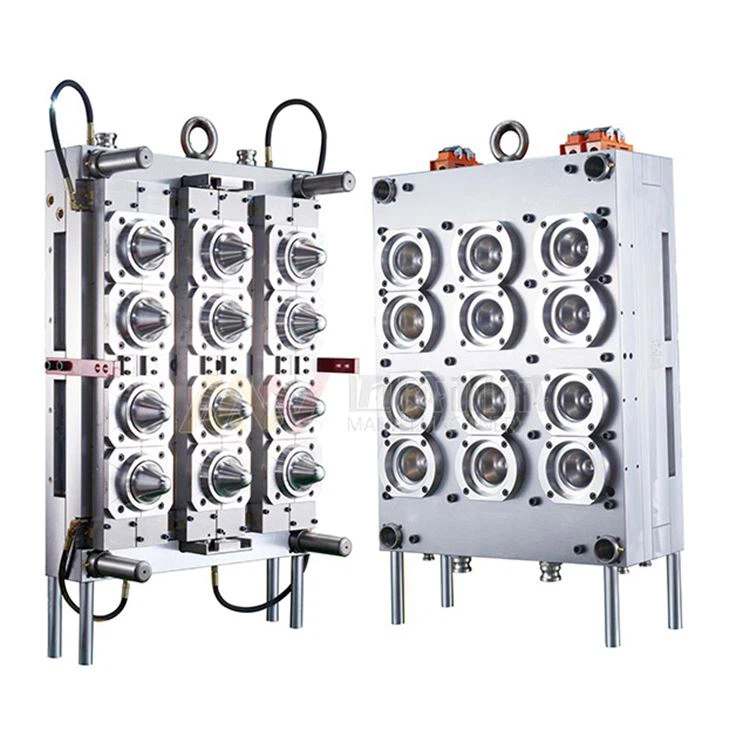

Hot Runner Preform Molds rely on a heated runner system to keep the plastic molten. The gate size in these molds needs to be carefully selected to ensure that the plastic maintains the right temperature and viscosity as it flows into the cavity. A too - large gate may cause the plastic to cool too quickly in the runner, while a too - small gate may restrict the flow and lead to uneven heating.
Injection Preform Molds, which are a fundamental type of preform mold, also require an appropriate gate size. The gate size in injection molds affects the filling pattern and the pressure distribution during the injection process. An optimized gate size can help to achieve a balanced filling of the cavity, resulting in high - quality preforms.
Conclusion
In conclusion, the gate size is a critical factor in the performance of a Jar Preform Mold. It affects plastic flow, preform quality, mold maintenance, and cost - effectiveness. As a supplier of Jar Preform Molds, we understand the importance of finding the right gate size for each specific application. We work closely with our customers to analyze their production requirements, such as the desired cycle time, preform quality standards, and budget constraints.
If you are in the market for a Jar Preform Mold or need advice on gate size selection, we are here to assist you. Our team of experts has extensive experience in the field of plastic injection molding and can provide you with customized solutions. Contact us to start a discussion about your specific needs and explore how we can help you optimize your preform manufacturing process.
References
- Throne, J. L. (1996). Plastics Process Engineering. Hanser Publishers.
- Rosato, D. V., & Rosato, D. V. (2000). Injection Molding Handbook. Kluwer Academic Publishers.


