

The ejection system of a preform mold is a crucial component in the manufacturing process of plastic preforms. As a preform mold supplier, we understand the significance of a well - designed ejection system in ensuring high - quality production and efficient operation.
Understanding the Basics of Preform Molds
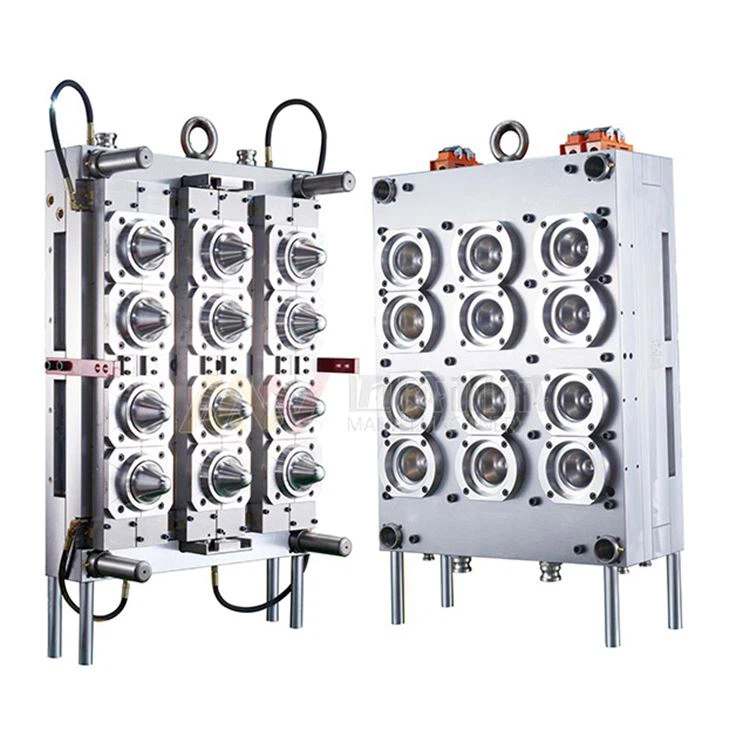
Before delving into the ejection system, it's essential to have a basic understanding of preform molds. Preform molds are used in the production of plastic preforms, which are then blow - molded into various plastic containers such as bottles, jars, and other packaging products. There are different types of preform molds, including Valve Gate Preform Mold, Injection Preform Mold, and Hot Runner Preform Mold. Each type has its own unique features and advantages, but they all rely on a proper ejection system to function effectively.
The Role of the Ejection System
The primary function of the ejection system in a preform mold is to remove the molded preform from the mold cavity after the plastic has solidified. This process needs to be smooth, quick, and precise to avoid any damage to the preform or the mold itself. A well - functioning ejection system ensures that the production process can continue without delays, which is crucial for meeting production targets and maintaining high - level efficiency.
1. Key Components of the Ejection System
- Ejector Pins: These are one of the most common components of an ejection system. Ejector pins are small, cylindrical rods that are precisely located in the mold. When the mold opens, the ejector pins move forward, pushing the preform out of the mold cavity. The size, number, and placement of ejector pins are carefully determined based on the design and size of the preform. For example, larger preforms may require more ejector pins to distribute the force evenly and prevent deformation during ejection.
- Ejector Plates: Ejector plates are flat metal plates that are connected to the ejector pins. They act as a support structure for the ejector pins and ensure that all the pins move in a synchronized manner. The ejector plate is driven by a mechanical or hydraulic system, which provides the necessary force for ejection.
- Return Springs: Return springs are used to retract the ejector pins and plates back to their original positions after the preform has been ejected. This allows the mold to close again for the next injection cycle. The stiffness and size of the return springs are selected to ensure proper functioning and durability.
2. Types of Ejection Systems
- Mechanical Ejection Systems: Mechanical ejection systems use mechanical linkages, such as cams and levers, to drive the ejector pins. These systems are relatively simple and cost - effective, making them suitable for small - scale production or for molds with simple designs. However, they may have limitations in terms of the force and speed of ejection.
- Hydraulic Ejection Systems: Hydraulic ejection systems use hydraulic cylinders to provide the force for ejecting the preforms. These systems can generate a large amount of force, which is beneficial for ejecting large or complex preforms. Hydraulic ejection systems also offer better control over the ejection process, allowing for precise adjustment of the ejection speed and force.
- Pneumatic Ejection Systems: Pneumatic ejection systems use compressed air to drive the ejector pins. They are lightweight, clean, and relatively easy to maintain. Pneumatic systems are often used in applications where a moderate amount of force is required and a quick ejection cycle is needed.
Design Considerations for the Ejection System
When designing the ejection system for a preform mold, several factors need to be taken into account:
1. Preform Geometry
The shape and size of the preform play a significant role in determining the design of the ejection system. Complex preform geometries may require a more sophisticated ejection mechanism to ensure that the preform is ejected without damage. For example, preforms with undercuts or thin - walled sections may need special ejector configurations, such as sliding cores or lifters, to facilitate ejection.
2. Plastic Material Properties
Different plastic materials have different properties, such as shrinkage rate, elasticity, and adhesion to the mold surface. These properties can affect the ease of ejection. For example, materials with a high shrinkage rate may tend to stick to the mold, requiring a stronger ejection force. The ejection system design needs to take into account these material - specific characteristics to ensure smooth ejection.
3. Production Volume
The expected production volume also influences the ejection system design. For high - volume production, an ejection system that can operate quickly and reliably is essential. This may involve using high - speed hydraulic or pneumatic systems and incorporating features for easy maintenance and replacement of components.
4. Mold Complexity
The overall complexity of the mold, including the number of cavities and the presence of multi - stage injection processes, can impact the ejection system design. In multi - cavity molds, the ejection system needs to ensure that all the preforms are ejected simultaneously and evenly. Additionally, molds with complex hot - runner systems may require more intricate ejection arrangements to avoid interference with the hot - runner components.

Maintaining the Ejection System
Proper maintenance of the ejection system is vital for ensuring its long - term performance and reliability. Here are some key maintenance tips:
1. Regular Cleaning
It's important to keep the ejector pins, plates, and other components clean to prevent the buildup of plastic residues, dirt, and debris. Regular cleaning can be done using appropriate solvents and cleaning tools. This helps to ensure smooth movement of the ejector components and prevents jamming.
2. Lubrication
Lubricating the moving parts of the ejection system, such as the ejector pins and guide bushes, is crucial for reducing friction and wear. High - quality lubricants should be used, and the lubrication process should be carried out at regular intervals according to the manufacturer's recommendations.
3. Inspection and Replacement
Periodically inspect the ejection system for any signs of wear, damage, or misalignment. Ejector pins that are bent or worn should be replaced immediately to prevent damage to the preforms or the mold. Similarly, damaged return springs or other components should be repaired or replaced to maintain the proper functioning of the ejection system.
Conclusion
In summary, the ejection system of a preform mold is a vital aspect of the plastic preform manufacturing process. As a preform mold supplier, we are committed to providing our customers with preform molds equipped with high - quality ejection systems. Whether you need a Valve Gate Preform Mold, Injection Preform Mold, or Hot Runner Preform Mold, our team of experts will work closely with you to design and optimize the ejection system according to your specific requirements.
If you are interested in discussing your preform mold needs, including the ejection system design, please feel free to reach out to us. We look forward to the opportunity to collaborate with you and provide you with the best - in - class preform mold solutions.
References
- "Plastic Injection Molding Handbook" by Dominik Johannaber
- "Mold Design for Plastics and Composites" by James F. Stevens


