

Hey there! As a supplier of Valve Gate Preform Molds, I often get asked whether these molds can be used for making household preforms. Well, let's dig into this topic and find out.
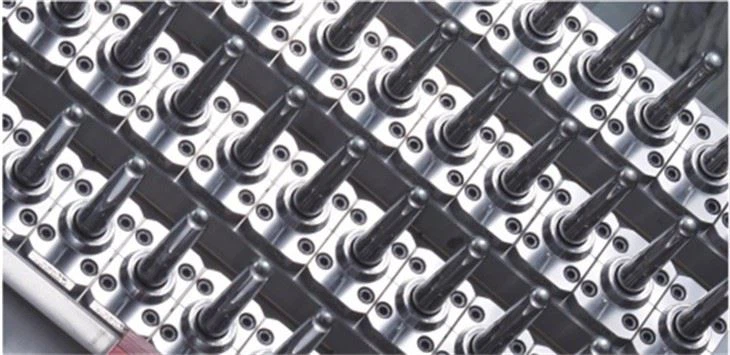
First off, let's understand what a valve gate preform mold is. A valve gate preform mold is a type of mold that uses a valve - gate system to control the flow of molten plastic into the mold cavity. This system allows for precise control over the filling process, which results in high - quality preforms with consistent wall thickness and excellent surface finish.
Now, when it comes to household preforms, we're talking about a wide range of products. From small containers for storing spices in the kitchen to larger bottles for detergents or cleaning agents. These household items need to be of good quality, have an appealing appearance, and be cost - effective to produce.
One of the biggest advantages of using a valve gate preform mold for household preforms is the quality control it offers. The valve - gate system can open and close at the right time, preventing any drooling or stringing of the plastic. This means that the preforms will have a clean and smooth gate area, which is crucial for the final appearance of the household products. For example, if you're making a clear plastic bottle for a shampoo, a clean gate area will enhance the overall aesthetic appeal of the product.
Another benefit is the ability to produce preforms with complex shapes. Household products often come in various designs, and a valve gate preform mold can handle these requirements. It can create preforms with different neck finishes, such as screw - top or snap - on lids, and different body shapes, like round, oval, or rectangular. This flexibility is really important for manufacturers who want to differentiate their products in the market.
Cost - efficiency is also a key factor. Valve gate preform molds can be designed to have multiple cavities, which means that more preforms can be produced in a single cycle. This increases the production rate and reduces the cost per unit. For a household product manufacturer, this can translate into significant savings in the long run.
However, there are also some considerations when using a valve gate preform mold for household preforms. One of the main concerns is the initial investment. Valve gate preform molds are generally more expensive than other types of molds. This is because of the complex valve - gate system and the high - precision manufacturing required. But if you're looking at high - volume production and long - term use, the return on investment can be quite good.
Maintenance is another aspect. These molds need regular maintenance to ensure the valve - gate system works properly. Any malfunction in the valve can lead to defects in the preforms, which can be costly to fix. So, manufacturers need to have a proper maintenance plan in place.
Now, let's talk about some related products. If you're interested in different types of preform molds, you might want to check out our Jar Preform Mold. It's specifically designed for making preforms for jars, which are commonly used in households for storing food items. We also have Pet Preform Mould for those who are looking to produce preforms from PET plastic, which is widely used in the packaging industry for household products. And if you're into hot - runner technology, our Hot Runner Preform Mold is a great option.
In conclusion, a valve gate preform mold can definitely be used for making household preforms. It offers high - quality, flexibility in design, and cost - efficiency in high - volume production. Although there are some challenges like the initial investment and maintenance, the benefits often outweigh the drawbacks.
If you're a manufacturer in the household products industry and are looking for a reliable valve gate preform mold supplier, I'd love to have a chat with you. Whether you have questions about the mold design, production process, or cost - effectiveness, I'm here to help. Just reach out, and we can start a conversation about how our molds can meet your specific needs.

References:
- Injection Molding Handbook, by O. Osswald and T. Turng
- Plastic Product Design and Development, by D. Rosato


