

In the dynamic world of plastic manufacturing, preform dies play a pivotal role. As a seasoned preform die supplier, I've witnessed firsthand the importance of understanding how long these essential tools typically last. This knowledge not only helps manufacturers plan their production schedules and budgets but also ensures the consistent quality of their products.
Factors Affecting the Lifespan of Preform Dies
The lifespan of a preform die is influenced by a multitude of factors, each of which can have a significant impact on its durability and performance.
Material Quality
The quality of the materials used in the construction of a preform die is perhaps the most fundamental factor affecting its lifespan. High - grade steel alloys, such as H13 tool steel, are commonly used due to their excellent heat resistance, toughness, and wear resistance. These materials can withstand the high pressures and temperatures involved in the preform molding process, reducing the risk of premature wear and damage. In contrast, lower - quality materials may experience rapid degradation, leading to frequent replacements and increased production costs.
Design and Engineering
A well - designed preform die can significantly extend its operational life. Precise engineering ensures that the die can evenly distribute the pressure and heat during the molding process, minimizing stress concentrations that can cause cracks or deformation. Advanced design features, such as optimized cooling channels, can also improve the die's thermal management, reducing the thermal fatigue that often leads to premature failure.
Operating Conditions
The environment in which a preform die operates has a profound impact on its lifespan. High - volume production, for example, can subject the die to more frequent cycles of stress and wear, accelerating its deterioration. Similarly, operating the die at extreme temperatures or pressures outside of its design specifications can cause irreversible damage. Additionally, the quality of the raw materials used in the molding process, such as the plastic resin, can affect the die's performance. Contaminated or low - quality resins may contain abrasive particles that can wear down the die's surfaces over time.
Maintenance and Care
Regular maintenance is crucial for maximizing the lifespan of a preform die. This includes routine cleaning to remove any residual plastic or contaminants, as well as inspection for signs of wear or damage. Proper lubrication of moving parts can also reduce friction and prevent premature wear. Timely repairs and replacements of worn components can prevent minor issues from escalating into major problems, ultimately extending the die's useful life.
Typical Lifespan of Preform Dies
On average, a well - maintained preform die can last anywhere from 1 to 5 million cycles. However, this range can vary widely depending on the factors mentioned above.
For dies used in low - volume production or with relatively gentle operating conditions, a lifespan of 5 million cycles or more is achievable. These dies are typically subjected to less stress and wear, allowing them to maintain their performance over a longer period.

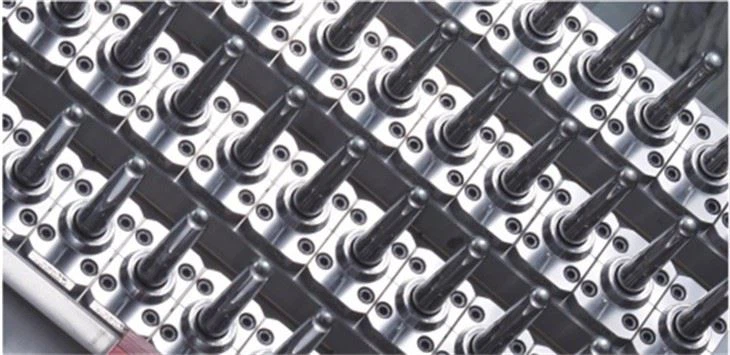
In high - volume production environments, where the die is cycled frequently, the lifespan may be closer to 1 - 2 million cycles. The increased stress and wear associated with high - volume production can cause the die's components to wear out more quickly, requiring more frequent replacements.
Extending the Lifespan of Preform Dies
As a preform die supplier, I'm committed to helping our customers get the most out of their investment. Here are some strategies for extending the lifespan of preform dies:
Invest in High - Quality Dies
While high - quality dies may have a higher upfront cost, they often offer a better return on investment in the long run. By choosing a die made from premium materials and with advanced design features, manufacturers can reduce the frequency of replacements and minimize production downtime.
Optimize Operating Conditions
Ensuring that the preform die operates within its design specifications is essential for maximizing its lifespan. This includes controlling the temperature, pressure, and cycle time during the molding process. Regular monitoring of these parameters can help identify and correct any deviations before they cause damage to the die.
Implement a Comprehensive Maintenance Program
A well - structured maintenance program is key to extending the lifespan of a preform die. This should include a schedule for routine cleaning, inspection, lubrication, and component replacement. By following a proactive maintenance approach, manufacturers can catch and address potential issues early, preventing costly breakdowns and extending the die's useful life.
Train Operators
Proper training of operators is essential for ensuring the correct use and handling of preform dies. Operators should be familiar with the die's operating instructions, maintenance procedures, and safety protocols. By empowering operators with the knowledge and skills they need, manufacturers can reduce the risk of operator - induced damage to the die.
Different Types of Preform Dies and Their Lifespans
There are several types of preform dies available in the market, each with its own unique characteristics and lifespan expectations.
Jar Preform Mold
Jar preform molds are designed to produce preforms for jars of various sizes and shapes. These molds typically have a relatively long lifespan, especially when used in moderate - volume production. With proper maintenance, a jar preform mold can last up to 3 - 5 million cycles, thanks to their robust construction and the relatively stable operating conditions associated with jar production.
Preform Die
General preform dies, which are used for a wide range of applications, can have a lifespan that varies depending on the specific design and operating conditions. In general, a well - maintained preform die can last between 1 - 3 million cycles. However, dies used in high - precision or high - volume applications may have a shorter lifespan due to the increased stress and wear they experience.
Valve Gate Preform Mold
Valve gate preform molds are known for their ability to produce high - quality preforms with precise gate control. These molds often have a longer lifespan compared to some other types of preform dies, as they are designed to withstand the high pressures and temperatures associated with the valve gate molding process. With proper care, a valve gate preform mold can last up to 2 - 4 million cycles.
Conclusion
Understanding how long a preform die usually lasts is essential for manufacturers in the plastic industry. By considering the factors that affect the die's lifespan, such as material quality, design, operating conditions, and maintenance, manufacturers can make informed decisions about their preform die investments. As a preform die supplier, I'm here to provide you with high - quality dies and expert advice on how to maximize their lifespan. Whether you're in the market for a Jar Preform Mold, a Preform Die, or a Valve Gate Preform Mold, I encourage you to reach out to discuss your specific needs. Our team of experts is ready to assist you in finding the perfect preform die solution for your production requirements.
References
- "Plastic Injection Molding Handbook" by O. Olszewski
- "Tool and Die Making Technology" by John S. G. Machin


