

As a seasoned supplier of Pet Preform Moulds, I often encounter inquiries regarding the number of ejector pins typically used in these molds. This topic is crucial as the appropriate number of ejector pins directly impacts the quality and efficiency of the preform production process. In this blog, I will delve into the factors that influence the number of ejector pins and provide insights based on our extensive experience in the industry.
Factors Affecting the Number of Ejector Pins
Preform Design and Geometry
The design and geometry of the pet preform play a significant role in determining the number of ejector pins. Preforms come in various shapes and sizes, each with its unique requirements. For instance, preforms with a larger surface area or complex shapes may require more ejector pins to ensure uniform ejection and prevent deformation. A preform with a long and slender neck may need additional ejector pins near the neck area to facilitate smooth ejection without causing damage.
Material Properties
The material used for the pet preform also affects the number of ejector pins. Different plastics have varying shrinkage rates, stiffness, and adhesion properties. For example, a material with a high shrinkage rate may tend to stick to the mold cavity more strongly, necessitating more ejector pins to overcome the adhesion force. Additionally, materials with lower stiffness may require a larger number of ejector pins to distribute the ejection force evenly and prevent the preform from bending or cracking during ejection.
Mold Complexity
The complexity of the pet preform mold itself is another important factor. Molds with multiple cavities or intricate features may require a greater number of ejector pins to ensure that each preform is ejected properly. In a multi - cavity mold, the ejector pins need to be carefully arranged to synchronize the ejection process across all cavities. Moreover, molds with undercuts or internal features may need specialized ejector pin configurations to access and eject the preforms effectively.
Typical Range of Ejector Pins
Based on our experience in supplying Hot Runner Preform Mold and Valve Gate Preform Mold, the number of ejector pins used in a pet preform mold can vary widely. For simple, single - cavity molds producing small - sized preforms, a minimum of 2 - 4 ejector pins may be sufficient. These pins are usually placed at strategic locations to provide a balanced ejection force.
In medium - sized multi - cavity molds, the number of ejector pins can range from 8 - 16. The distribution of these pins is carefully calculated to ensure that each preform in the cavities is ejected smoothly and simultaneously. For large - scale production molds with a high number of cavities, such as 32 - cavity or 64 - cavity molds, the number of ejector pins can go up to 32 or more. These molds often require a more complex ejector pin system to handle the increased load and ensure uniform ejection across all cavities.
Importance of Optimal Ejector Pin Selection
Selecting the optimal number of ejector pins is essential for several reasons. Firstly, it ensures the quality of the pet preforms. If the number of ejector pins is insufficient, the preforms may not be ejected properly, leading to deformation, cracking, or surface defects. On the other hand, using too many ejector pins can increase the cost of the mold and may also cause marks or damage on the preform surface.
Secondly, the right number of ejector pins improves the efficiency of the production process. Proper ejection reduces cycle times, as the preforms can be removed from the mold quickly and smoothly. This leads to higher productivity and lower production costs in the long run.
Customization and Design Considerations
At our company, we understand that every customer's requirements are unique. Therefore, we offer customized solutions for pet preform molds, including the design and selection of ejector pins. Our team of experienced engineers works closely with customers to analyze their preform design, material specifications, and production requirements. Based on this analysis, we can recommend the most suitable number and configuration of ejector pins for their specific mold.
We also take into account the latest industry trends and technological advancements when designing the ejector pin system. For example, we may incorporate advanced ejector pin materials or coatings to improve durability and reduce friction. Additionally, we use computer - aided design (CAD) and simulation tools to optimize the ejector pin layout and ensure its effectiveness before the mold is manufactured.
Case Studies
Let's take a look at a few case studies to illustrate the importance of ejector pin selection. One of our customers was producing a large - sized pet preform with a complex shape. Initially, they used a mold with a relatively small number of ejector pins. During the production process, they encountered problems with the preforms not ejecting properly, resulting in a high rejection rate.
We analyzed the situation and recommended increasing the number of ejector pins and adjusting their positions. After the modification, the ejection process became much smoother, and the rejection rate dropped significantly. The customer was able to achieve higher production efficiency and better - quality preforms.

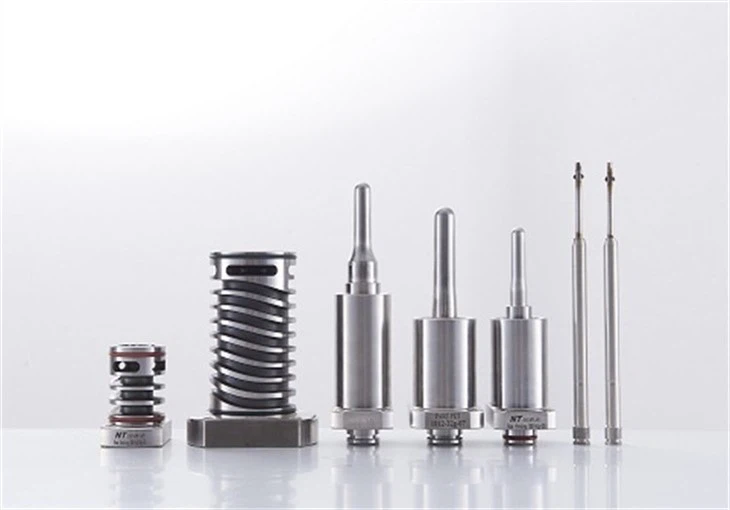
In another case, a customer was using a multi - cavity mold for high - volume production. The original ejector pin system was not well - synchronized, causing some preforms to eject earlier than others. This led to uneven cooling and inconsistent quality across the cavities. We redesigned the ejector pin system to ensure simultaneous ejection of all preforms. As a result, the customer experienced improved product consistency and increased productivity.
Conclusion
In conclusion, the number of ejector pins used in a pet preform mold depends on various factors such as preform design, material properties, and mold complexity. While there is a typical range for the number of ejector pins, customization is often necessary to meet the specific requirements of each customer.
At our company, we are committed to providing high - quality Preform Die and pet preform molds with optimized ejector pin systems. Our expertise and experience in the industry allow us to offer customized solutions that ensure the best possible quality and efficiency for your pet preform production.
If you are looking for a reliable pet preform mold supplier, we would be delighted to discuss your needs. Contact us today to start a conversation about how we can help you optimize your pet preform production process with the right ejector pin selection and mold design.
References
- Plastics Mold Design Handbook, Second Edition. Edited by Rosato, Donald V., and Rosato, Dominick V.
- Injection Molding Handbook, Third Edition. By Osswald, Tim A., and Turng, Lih - Sing.
- Fundamentals of Plasticating Injection Molding. By Tadmor, Zehev, and Gogos, Costas G.


