

As a preform mold supplier, I understand the critical role that well - trained operators play in ensuring the efficient and effective use of our products. Preform molds are used in the manufacturing of preforms, which are then blown into various plastic containers like bottles, jars, etc. In this blog, I'll share some key steps and strategies on how to train operators for preform mold use.
Understanding the Basics of Preform Molds
Before starting the hands - on training, it's essential for operators to have a solid understanding of preform molds. First, introduce them to the different types of preform molds. For instance, Preform Die is a fundamental type. It is used to shape the molten plastic into the basic preform shape. Explain the structure of the preform die, including its cavity, core, and cooling channels. The cavity determines the outer shape of the preform, while the core forms the inner part. Cooling channels are crucial for rapidly cooling the plastic to maintain the shape and quality of the preform.
Another important type is the Valve Gate Preform Mold. This type of mold uses valve gates to control the flow of plastic into the mold cavities. Operators need to know how the valve gates work, how to adjust them for different preform sizes and materials, and how to troubleshoot common valve - gate related issues such as blockages or uneven flow.
Jar Preform Mold is designed specifically for making preforms that will be blown into jars. These molds may have different geometries and requirements compared to bottle preform molds. For example, they may need to be stronger to withstand the higher pressures during the blowing process for jars. Train operators to recognize the unique features of jar preform molds and how to handle them appropriately.
Safety Training
Safety should always be the top priority when training operators. Provide comprehensive safety training that covers all aspects of working with preform molds. First, teach them about the potential hazards in the workplace, such as hot plastic, moving parts of the injection molding machine, and high - pressure hydraulic systems.
Operators should be trained on how to properly wear personal protective equipment (PPE). This includes safety glasses to protect their eyes from flying debris, heat - resistant gloves when handling hot molds, and safety shoes to prevent foot injuries from falling objects.
In addition, train them on emergency procedures. They should know where the emergency stop buttons are located on the injection molding machine and in the workplace. Teach them how to respond in case of a fire, a chemical spill (if any additives are used in the plastic), or an injury. Conduct regular safety drills to ensure that operators can react quickly and correctly in emergency situations.
Machine Familiarization
Operators need to be familiar with the injection molding machine that is used in conjunction with the preform molds. Start by teaching them the basic components of the machine, such as the hopper where the plastic resin is loaded, the screw that melts and injects the plastic, the clamping unit that holds the mold closed during the injection process, and the ejection system that removes the finished preforms from the mold.

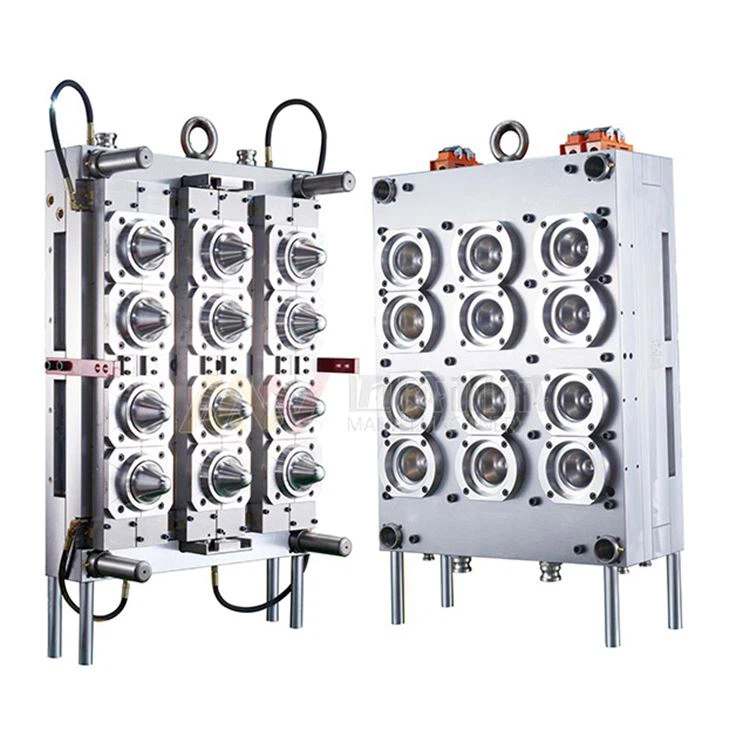
Show them how to operate the control panel of the injection molding machine. They should learn how to set the injection pressure, speed, and temperature according to the requirements of the preform mold and the plastic material being used. For example, different plastics have different melting points, so the temperature settings need to be adjusted accordingly.
Teach them how to perform basic maintenance tasks on the injection molding machine, such as cleaning the hopper, lubricating moving parts, and checking the hydraulic fluid levels. Regular maintenance not only extends the lifespan of the machine but also helps to ensure the quality of the preforms.
Mold Installation and Removal
Proper mold installation and removal are crucial for the successful use of preform molds. First, train operators on how to safely lift and move the preform molds using appropriate lifting equipment, such as a crane or a forklift. They should be taught how to position the mold correctly on the injection molding machine's platen and how to align it precisely to ensure proper operation.
Show them how to connect the mold to the cooling system. The cooling water should flow through the cooling channels in the mold at the correct rate and temperature to ensure efficient cooling of the preforms. Incorrect cooling can lead to defects such as warping or uneven wall thickness in the preforms.
When it comes to mold removal, teach operators how to depressurize the mold and the injection molding machine safely. They should also know how to clean the mold after removal to prevent the build - up of plastic residues, which can affect the quality of future preforms.
Process Parameter Setting
Process parameter setting is a key skill for operators. They need to understand how to set the injection pressure, injection speed, holding pressure, and cooling time based on the design of the preform mold and the properties of the plastic material.
The injection pressure determines how much force is used to inject the molten plastic into the mold cavities. If the pressure is too low, the preforms may not be fully formed, resulting in short - shots. If the pressure is too high, it can cause flash (excess plastic around the edges of the preform) or damage to the mold.
The injection speed affects the filling pattern of the plastic in the mold. A proper injection speed ensures that the plastic fills the mold evenly without causing air traps or other defects.
The holding pressure is applied after the initial injection to compensate for the shrinkage of the plastic as it cools. Operators need to set the holding pressure correctly to prevent sink marks on the preforms.
The cooling time is also crucial. If the cooling time is too short, the preforms may not be fully cooled, and they can deform during ejection. If it is too long, it will reduce the production efficiency.
Quality Control
Train operators on quality control procedures for preform production. They should learn how to inspect the preforms for common defects, such as cracks, air bubbles, uneven wall thickness, and flash. Teach them how to use measuring tools, such as calipers to measure the wall thickness of the preforms and a micrometer to check the diameter.
Set up a quality control checklist for operators to follow. They should check each preform or a sample of preforms at regular intervals during the production process. If a defect is found, they should know how to identify the root cause, whether it is related to the mold, the injection molding machine settings, or the plastic material. They should also know how to make the necessary adjustments to correct the problem and prevent it from recurring.
Troubleshooting
Even with proper training and setup, problems can still occur during the preform production process. Train operators on common troubleshooting techniques. For example, if the preforms have a rough surface, it could be due to a dirty mold or incorrect injection speed. They should know how to clean the mold or adjust the injection speed to solve the problem.
If there are issues with the valve gates in a valve - gate preform mold, such as uneven flow or blockages, train them on how to inspect and clean the valve gates. They should also be able to identify if there is a problem with the valve - gate control system and how to contact the appropriate maintenance personnel if needed.
Continuous Training and Improvement
Training is not a one - time event. Provide continuous training to operators to keep them updated on the latest technologies and best practices in preform mold use. This can include training on new types of preform molds, new plastic materials, or improvements in injection molding machine technology.
Encourage operators to share their experiences and suggestions for improvement. They are on the front line of the production process and may have valuable insights into how to optimize the use of preform molds and improve the quality and efficiency of preform production.
In conclusion, training operators for preform mold use is a comprehensive process that involves understanding the molds, ensuring safety, familiarizing with the machine, proper installation and parameter setting, quality control, and troubleshooting. By providing high - quality training, we can ensure that our customers can use our preform molds effectively and produce high - quality preforms.
If you are interested in our preform molds or need more information about operator training, please feel free to contact us for procurement discussions. We are always ready to provide you with the best solutions and support.
References
- "Injection Molding Handbook" by Ossa Michaeli
- "Plastic Product Design and Development" by John Beaumont
- Industry - specific technical papers and manuals on preform mold manufacturing and operation.


