

As a seasoned supplier of Pet Preform Moulds, I've witnessed firsthand the intricate relationship between screw speed and the performance of these crucial tools. In the highly competitive world of plastic manufacturing, understanding this relationship can be the difference between a successful production run and costly inefficiencies. This blog post aims to delve into the impact of screw speed on the performance of a pet preform mould, providing valuable insights for manufacturers and industry enthusiasts alike.
Understanding Screw Speed in Pet Preform Moulding
Before we explore the impact of screw speed, it's essential to understand what it is and how it fits into the pet preform moulding process. In injection moulding, the screw plays a vital role in melting, mixing, and injecting the plastic material into the mould cavity. The screw speed refers to the rotational speed of the screw, typically measured in revolutions per minute (RPM). Adjusting the screw speed can significantly affect various aspects of the moulding process, from the quality of the preform to the overall production efficiency.
Impact on Plasticizing Capacity
One of the primary effects of screw speed on the performance of a pet preform mould is its impact on plasticizing capacity. Plasticizing capacity refers to the ability of the screw to melt and homogenize the plastic material within a given time frame. A higher screw speed generally leads to an increased plasticizing capacity, as the screw can transport and mix the plastic more rapidly. This can be beneficial for high-volume production runs, where a faster cycle time is required to meet production targets.
However, it's important to note that increasing the screw speed beyond a certain point can have negative consequences. Excessive screw speed can cause overheating of the plastic material, leading to thermal degradation and a reduction in the mechanical properties of the preform. Additionally, high screw speeds can result in poor mixing of the plastic, leading to variations in the preform's quality and appearance. Therefore, finding the optimal screw speed is crucial to ensure a balance between plasticizing capacity and product quality.

Influence on Preform Quality
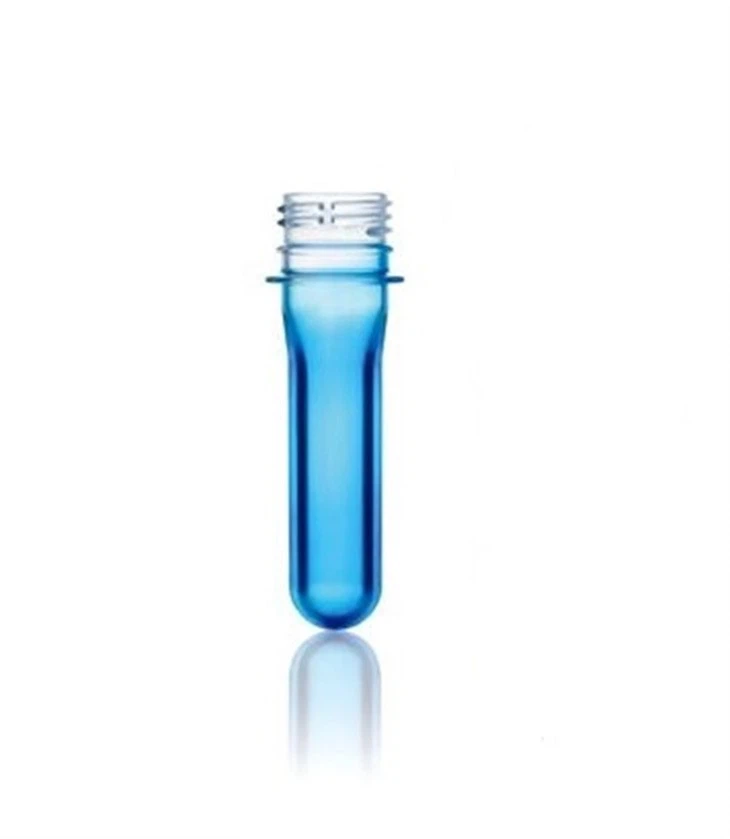
The screw speed also has a significant impact on the quality of the pet preform. A well-moulded preform should have uniform wall thickness, smooth surface finish, and consistent dimensions. The screw speed can affect these factors in several ways.
Firstly, the screw speed can influence the flow of the plastic material into the mould cavity. A higher screw speed can result in a faster injection rate, which can help to fill the mould cavity more quickly and evenly. This can reduce the likelihood of short shots, where the preform is not fully formed due to insufficient plastic material. However, if the screw speed is too high, the plastic material may flow too rapidly, causing turbulence and air entrapment in the mould cavity. This can lead to surface defects, such as voids and bubbles, in the preform.
Secondly, the screw speed can affect the cooling rate of the preform. A higher screw speed generally leads to a faster injection rate, which means that the plastic material is injected into the mould cavity at a higher temperature. This can result in a longer cooling time for the preform, as the heat needs to be dissipated more slowly to prevent warping and distortion. On the other hand, a lower screw speed can result in a slower injection rate and a lower temperature of the plastic material, which can lead to a shorter cooling time. However, if the screw speed is too low, the plastic material may not flow properly into the mould cavity, resulting in a poor-quality preform.
Effect on Production Efficiency
In addition to its impact on preform quality, the screw speed also affects the overall production efficiency of the pet preform moulding process. A higher screw speed can lead to a shorter cycle time, as the plastic material can be melted, injected, and cooled more quickly. This can increase the production output and reduce the manufacturing cost per unit.
However, increasing the screw speed also requires more energy, as the motor needs to drive the screw at a higher RPM. This can result in higher energy consumption and increased operating costs. Therefore, it's important to consider the energy efficiency of the screw speed when optimizing the production process.
Another factor to consider is the wear and tear on the screw and the mould. A higher screw speed can cause more friction and stress on the screw and the mould, leading to increased wear and a shorter lifespan. This can result in higher maintenance costs and more frequent replacement of the screw and the mould. Therefore, finding the optimal screw speed is crucial to balance the production efficiency with the long-term durability of the equipment.
Finding the Optimal Screw Speed
Finding the optimal screw speed for a pet preform moulding process requires a combination of theoretical knowledge, practical experience, and trial-and-error testing. Here are some steps that can help you determine the optimal screw speed for your specific application:
- Understand the plastic material: Different types of plastic materials have different melting points, viscosities, and flow characteristics. Therefore, it's important to understand the properties of the plastic material you are using and select the appropriate screw speed accordingly.
- Consider the mould design: The design of the pet preform mould, including the size and shape of the mould cavity, the gate location, and the cooling system, can also affect the optimal screw speed. For example, a mould with a complex shape or a small gate may require a lower screw speed to ensure proper filling of the mould cavity.
- Conduct trial runs: Once you have a general idea of the appropriate screw speed range, it's recommended to conduct trial runs to fine-tune the settings. Start with a moderate screw speed and gradually increase or decrease it based on the quality of the preforms and the production efficiency. Monitor the process closely and make adjustments as needed.
- Use process monitoring tools: To ensure consistent quality and optimize the production process, it's advisable to use process monitoring tools, such as temperature sensors, pressure sensors, and flow meters. These tools can provide real-time data on the process parameters, allowing you to make informed decisions and adjust the screw speed as needed.
Conclusion
In conclusion, the screw speed has a significant impact on the performance of a pet preform mould. It affects the plasticizing capacity, preform quality, and production efficiency of the moulding process. By understanding the relationship between screw speed and these factors, manufacturers can optimize the production process to achieve higher quality preforms, shorter cycle times, and lower manufacturing costs.
As a Pet Preform Mould supplier, we are committed to providing our customers with high-quality moulds and expert advice on the moulding process. If you are interested in learning more about the impact of screw speed on the performance of a pet preform mould or have any other questions related to pet preform moulding, please feel free to [contact us](insert contact link here). We would be happy to assist you in finding the optimal solution for your specific application.


