Hey there! As a supplier of preform molds, I've seen my fair share of issues that pop up with these things. Preform molds are super important in the plastic manufacturing world, used to create those initial shapes that later turn into all sorts of plastic products like bottles, jars, and more. But just like any piece of equipment, they come with their own set of common problems. Let's dive in and take a look at what these issues are and how they can impact your production.
1. Wear and Tear
One of the most common problems with preform molds is wear and tear. These molds are constantly under pressure and high temperatures during the injection molding process. Every time molten plastic is injected into the mold, it rubs against the mold cavity, gradually wearing down the surface. Over time, this can lead to a loss of precision in the mold. The preforms produced may start to have rough surfaces, or their dimensions might deviate from the required specifications.
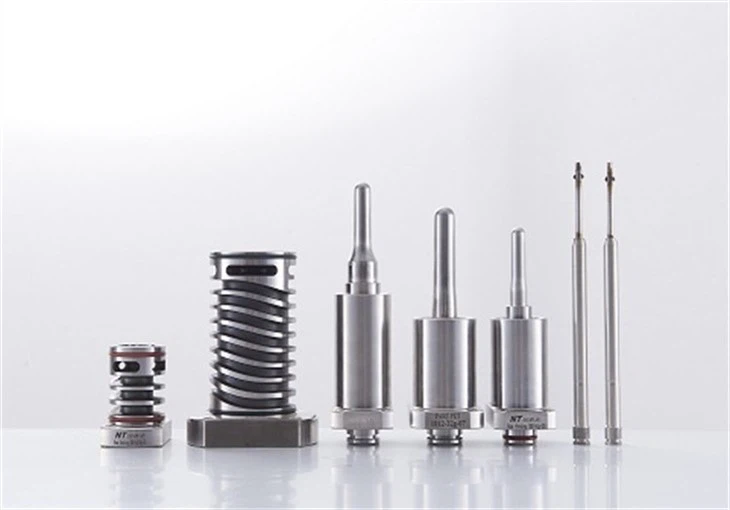
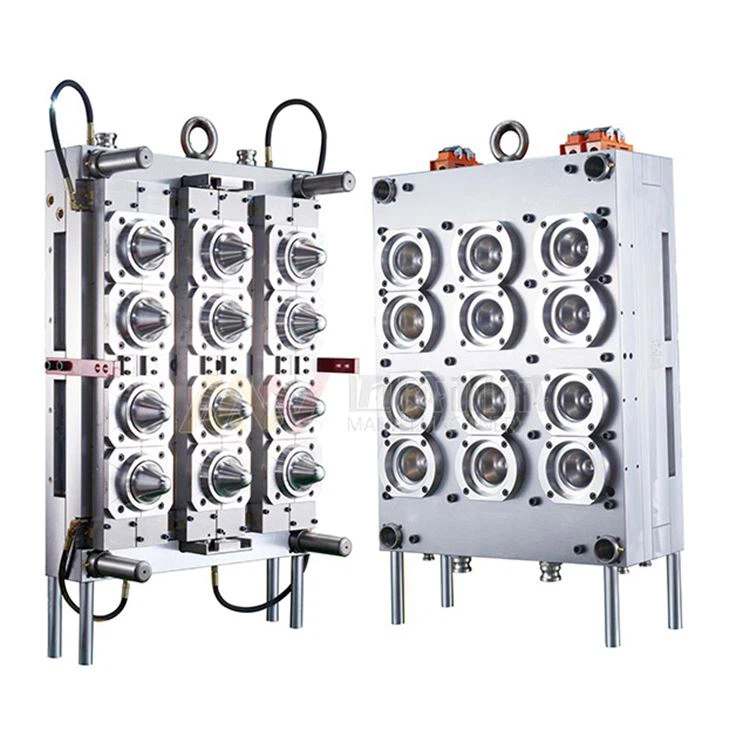
For example, if you're using a Hot Runner Preform Mold, the hot runner system is especially prone to wear. The hot runner nozzles, which are responsible for delivering the molten plastic to the mold cavity, can get clogged or damaged due to the constant flow of plastic. This can disrupt the injection process and result in defective preforms. Regular maintenance and inspection are crucial to catch these issues early on. You should clean the hot runner system regularly and replace any worn-out parts to keep the mold in good working condition.
2. Cooling Problems
Proper cooling is essential for the quality of preforms. If the mold doesn't cool down evenly or quickly enough, it can cause a whole bunch of problems. One common issue is warping. When the preform cools unevenly, different parts of it shrink at different rates, leading to a warped shape. This can make it difficult to use the preform in the subsequent blow molding process.
Another problem related to cooling is the formation of sink marks. Sink marks are small depressions on the surface of the preform, usually caused by the shrinkage of the plastic as it cools. If the cooling rate is too slow, the plastic has more time to shrink, increasing the likelihood of sink marks.
To avoid these cooling problems, it's important to have an efficient cooling system in place. The cooling channels in the mold should be designed to ensure uniform cooling. You might need to adjust the cooling water flow rate and temperature to optimize the cooling process. For instance, in a Jar Preform Mold, the shape of the jar preform can affect the cooling pattern. You may need to customize the cooling channels to match the specific shape of the preform to achieve even cooling.
3. Ejection Issues
Getting the preform out of the mold smoothly is another challenge. If the preform sticks to the mold, it can cause damage to both the preform and the mold itself. There are several reasons why ejection problems can occur. One reason is poor surface finish of the mold cavity. If the surface is rough or has imperfections, the preform is more likely to stick.
Another factor is the design of the ejection system. The ejector pins, which are used to push the preform out of the mold, need to be properly positioned and sized. If the ejector pins are too small or not placed in the right locations, they may not be able to apply enough force to eject the preform. This can lead to the preform getting stuck in the mold, causing production delays.
To solve ejection issues, you can improve the surface finish of the mold cavity by polishing it. You can also optimize the design of the ejection system. For example, in an Injection Preform Mold, you might need to adjust the number and placement of ejector pins based on the shape and size of the preform.
4. Material Compatibility
The type of plastic material you use with the preform mold matters a lot. Different plastics have different properties, such as melting point, viscosity, and shrinkage rate. If the plastic material is not compatible with the mold, it can cause problems.
For example, some plastics have a high melting point, which means they require a higher temperature during the injection molding process. If the mold is not designed to handle these high temperatures, it can get damaged. On the other hand, if the plastic has a high viscosity, it may not flow easily through the mold cavity, leading to incomplete filling of the preform.
Before using a new plastic material with the preform mold, it's important to test it first. You should also make sure that the mold is made of a material that can withstand the properties of the plastic. For instance, if you're using a high-temperature plastic, the mold should be made of a heat-resistant material.
5. Contamination
Contamination is another problem that can affect the quality of preforms. The mold can get contaminated with dirt, dust, or other foreign particles. These contaminants can get mixed with the plastic during the injection process, resulting in defective preforms.
Contamination can also occur if the plastic material itself is not clean. If there are impurities in the plastic resin, they can cause streaks or other surface defects on the preform. To prevent contamination, you should keep the mold and the production environment clean. Use proper storage and handling procedures for the plastic material to avoid introducing impurities.
6. Alignment Problems
The alignment of the mold halves is crucial for the production of high-quality preforms. If the mold halves are not aligned correctly, it can cause flash. Flash is the excess plastic that seeps out between the mold halves during the injection process. This not only wastes plastic material but also requires additional processing to remove the flash from the preform.
Alignment problems can also lead to uneven wall thickness in the preform. If the mold halves are misaligned, the plastic may not flow evenly into the mold cavity, resulting in a preform with inconsistent wall thickness. To ensure proper alignment, you should use precision alignment devices and regularly check the alignment of the mold.
How We Can Help
As a preform mold supplier, we understand these common problems and have the expertise to address them. We use high-quality materials and advanced manufacturing techniques to produce preform molds that are durable and reliable. Our team of experts can help you choose the right mold for your specific plastic material and production requirements.
We also offer comprehensive maintenance and support services. We can assist you with regular inspections, cleaning, and repair of your preform molds. If you encounter any problems with your mold, our technical support team is just a call away. We'll work with you to diagnose the issue and come up with a solution as quickly as possible.
If you're in the market for a new preform mold or need help with your existing one, don't hesitate to reach out to us. We're here to help you optimize your production process and ensure the quality of your preforms. Contact us today to start a conversation about your preform mold needs.
References
- Plastics Technology Handbook.
- Injection Molding Handbook.
- Molding of Plastics and Composites by O. Olajide.