

Hey there! As a supplier of Injection Preform Mold, I've seen a lot of molds come and go over the years. One of the most common questions I get from my customers is, "How do I know when it's time to replace my injection preform mold?" Well, in this blog post, I'm going to share some signs that indicate it might be time to say goodbye to your old mold and invest in a new one.
1. Decreased Quality of Preforms
The first and most obvious sign that your injection preform mold needs to be replaced is a decrease in the quality of the preforms it produces. If you start noticing that the preforms are coming out with defects such as cracks, warping, or inconsistent wall thickness, it's a clear indication that the mold is wearing out. These defects can affect the performance of the final product and may even lead to customer complaints.
For example, if the preforms are used to make plastic bottles, cracks or warping can cause the bottles to leak or burst. Inconsistent wall thickness can also affect the strength and durability of the bottles. If you're experiencing these issues, it's time to consider replacing your mold.
2. Increased Cycle Time
Another sign that your injection preform mold is in need of replacement is an increase in cycle time. Cycle time refers to the time it takes for the mold to produce one preform. As a mold ages, it can become less efficient, resulting in longer cycle times. This can have a significant impact on your production output and profitability.
Longer cycle times mean that you're producing fewer preforms per hour, which can lead to a decrease in overall production volume. Additionally, longer cycle times can increase your energy costs and labor costs. If you notice that your cycle times are increasing, it's a good idea to have your mold inspected to determine if it needs to be replaced.
3. Frequent Maintenance and Repairs
If you find yourself constantly performing maintenance and repairs on your injection preform mold, it's a sign that the mold is reaching the end of its lifespan. While regular maintenance is important to keep your mold in good working condition, excessive maintenance and repairs can be a red flag.
Frequent maintenance and repairs can be costly and time-consuming. They can also disrupt your production schedule and lead to downtime. If you're spending more time and money on maintaining and repairing your mold than you are on producing preforms, it's probably time to invest in a new mold.
4. Difficulty in Cleaning
A mold that is difficult to clean is another sign that it may need to be replaced. Over time, mold cavities can become clogged with plastic residue, which can affect the quality of the preforms. If you're having trouble cleaning your mold, it could be because the cavities are too worn or damaged.
Difficulty in cleaning can also lead to longer cycle times and increased maintenance costs. If you're struggling to keep your mold clean, it's a good idea to consider replacing it with a new one that is easier to maintain.
5. Changes in Production Requirements
As your business grows and evolves, your production requirements may change. You may need to produce preforms in different sizes, shapes, or quantities. If your current injection preform mold is unable to meet these new requirements, it's time to look for a replacement.
For example, if you need to produce larger preforms, your current mold may not have the capacity to do so. Or, if you need to increase your production volume, your current mold may not be able to produce preforms fast enough. In these cases, investing in a new mold that is designed to meet your specific production requirements is essential.
6. Wear and Tear on Mold Components
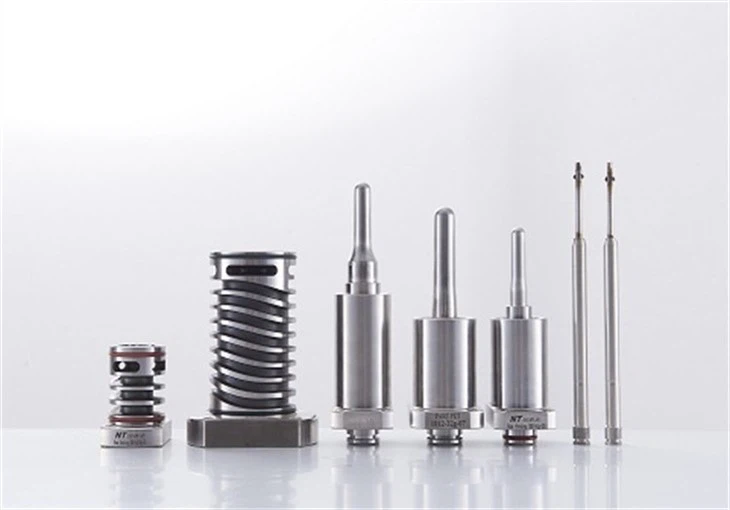
Inspect the components of your injection preform mold regularly for signs of wear and tear. Components such as ejector pins, hot runners, and cooling channels can wear out over time, which can affect the performance of the mold.
If you notice that the ejector pins are bent or broken, or if the hot runners are leaking, it's a sign that these components need to be replaced. In some cases, replacing individual components may be sufficient to extend the life of the mold. However, if the wear and tear is extensive, it may be more cost-effective to replace the entire mold.
7. Inconsistent Part Dimensions
If the dimensions of the preforms produced by your mold are inconsistent, it's a sign that the mold is not functioning properly. Inconsistent part dimensions can be caused by a variety of factors, including wear and tear on the mold cavities, improper alignment of the mold components, or changes in the plastic material.

Inconsistent part dimensions can affect the fit and function of the final product. If you're experiencing this issue, it's important to have your mold inspected by a professional to determine the cause and whether a replacement is necessary.
Conclusion
In conclusion, there are several signs that indicate an injection preform mold needs to be replaced. These include decreased quality of preforms, increased cycle time, frequent maintenance and repairs, difficulty in cleaning, changes in production requirements, wear and tear on mold components, and inconsistent part dimensions.
If you're experiencing any of these signs, it's important to take action as soon as possible to avoid further production issues and costs. As a supplier of Injection Preform Mold, I can help you find the right mold for your specific needs. Whether you're looking for a Hot Runner Preform Mold or a custom-designed mold, I have the expertise and experience to provide you with a high-quality solution.
If you're interested in learning more about our injection preform molds or have any questions, please don't hesitate to contact me. I'd be happy to discuss your requirements and help you make the best decision for your business.
References
- Plastics Industry Association. (n.d.). Injection Molding Basics. Retrieved from [Website URL]
- MoldMaking Technology. (n.d.). Signs It's Time to Replace Your Mold. Retrieved from [Website URL]
- Society of Plastics Engineers. (n.d.). Injection Molding Handbook. Retrieved from [Website URL]


