

What is the automation level of a pet bottle making machine?
As a supplier of Pet Bottle Making Machines, I've witnessed firsthand the remarkable evolution of technology in this field. The automation level of a pet bottle making machine plays a crucial role in determining its efficiency, productivity, and overall performance. In this blog, I'll delve into the various aspects of automation in pet bottle making machines, sharing insights on how these features benefit manufacturers.
Basic Automation Features
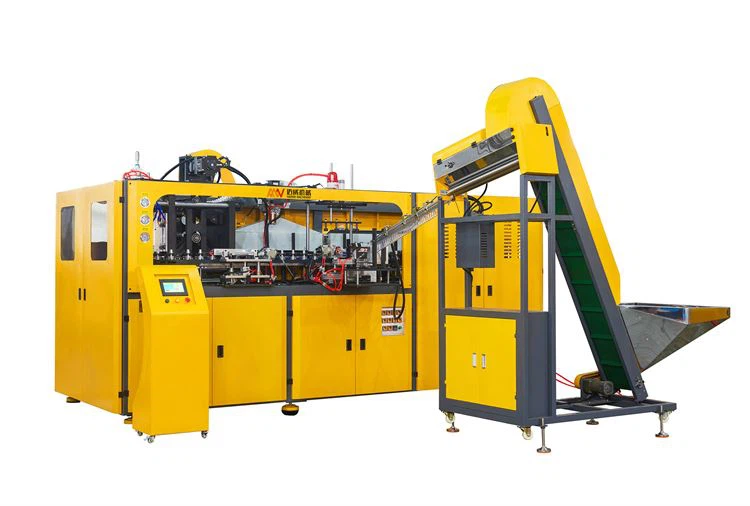
At the most fundamental level, modern pet bottle making machines come equipped with basic automation features that streamline the production process. These machines are often designed to handle tasks such as preform loading, heating, blowing, and ejection with minimal human intervention. For instance, preform loading systems can automatically pick up preforms from a hopper and place them onto the heating section. This reduces the need for manual labor and ensures a consistent feed rate, which is essential for maintaining high production speeds.
The heating process is another area where automation has made significant improvements. Advanced heating systems use infrared heaters that can precisely control the temperature of the preforms. This is crucial because the quality of the final bottle depends largely on the uniform heating of the preform. Automated temperature control systems can adjust the heat output based on the size and material of the preform, ensuring that each bottle is produced with the same high - quality standards.
Once the preforms are heated, the blowing process is also highly automated. The machine uses a pneumatic or hydraulic system to blow the preforms into the desired bottle shape. Automated blow molding systems can accurately control the pressure and timing of the blowing process, resulting in bottles with consistent wall thickness and dimensions. After the blowing is complete, the machine can automatically eject the finished bottles onto a conveyor belt, ready for further processing or packaging.
Intermediate Automation: Integration and Monitoring
Intermediate - level automation in pet bottle making machines involves the integration of different components and the ability to monitor the production process in real - time. Many of our machines are equipped with programmable logic controllers (PLCs) that can coordinate the operation of all the machine's functions. PLCs allow for easy programming of different production recipes, which can be adjusted depending on the type of bottle being produced. For example, a manufacturer can quickly switch between producing small - sized and large - sized bottles by simply selecting the appropriate recipe on the PLC.
Real - time monitoring is another key feature of intermediate automation. Sensors are installed throughout the machine to monitor various parameters such as temperature, pressure, and production speed. These sensors send data to the control panel, where operators can view the status of the machine at any time. If any parameter goes out of the specified range, the machine can automatically adjust itself or send an alert to the operator. This helps to prevent production errors and reduce downtime, as problems can be detected and addressed before they cause significant issues.
In addition to internal monitoring, our machines can also be integrated with external systems such as inventory management and quality control systems. For example, the machine can communicate with an inventory management system to track the usage of raw materials and the production of finished products. This allows manufacturers to optimize their inventory levels and ensure a smooth production flow. Quality control systems can also be integrated to perform in - line inspections of the bottles. Automated vision inspection systems can detect defects such as cracks, scratches, or improper sealing, and reject defective bottles before they leave the production line.
Advanced Automation: Artificial Intelligence and Self - Optimization
The highest level of automation in pet bottle making machines involves the use of artificial intelligence (AI) and self - optimization technologies. AI algorithms can analyze the data collected from the sensors and historical production data to identify patterns and make predictions. For example, an AI system can predict when a machine component is likely to fail based on its usage and performance data. This allows for proactive maintenance, reducing the risk of unexpected breakdowns and costly repairs.
Self - optimization is another advanced feature enabled by AI. The machine can continuously adjust its operating parameters based on real - time conditions to achieve the best possible production results. For instance, if the ambient temperature changes, the AI system can automatically adjust the heating and blowing parameters to ensure that the bottles are still produced with the same quality. This not only improves the quality of the products but also increases the overall efficiency of the production process.
Benefits of High - Level Automation
The high level of automation in pet bottle making machines offers numerous benefits to manufacturers. Firstly, it significantly increases productivity. With automated processes, the machine can operate at a much faster pace than manual or semi - automated systems. This allows manufacturers to produce more bottles in less time, meeting the growing demand for plastic bottles in various industries.
Secondly, automation improves the quality of the products. By precisely controlling the production process, the machine can ensure that each bottle has consistent dimensions, wall thickness, and appearance. This is crucial for maintaining brand reputation and meeting the strict quality standards of customers.
Thirdly, automation reduces labor costs. Since the machine can perform most of the tasks with minimal human intervention, manufacturers can save on labor expenses. This also reduces the risk of human error, which can lead to product defects and production delays.

Finally, high - level automation provides better data management and decision - making capabilities. The real - time monitoring and AI - based analysis of production data allow manufacturers to make informed decisions about production planning, maintenance, and quality control.
Exploring Related Machines
If you're interested in other types of bottle making machines, we also offer a range of Plastic Bottle Blow Molding Machine, Pc Bottle Making Machine, and Pp Blow Molding Machine. These machines also feature high levels of automation and are designed to meet the diverse needs of our customers.
Contact for Procurement and Discussion
If you're in the market for a pet bottle making machine or want to learn more about our products, we encourage you to reach out to us. Our team of experts is ready to discuss your specific requirements and provide you with the best solutions for your production needs. Whether you're a small - scale manufacturer or a large - scale enterprise, we have the right machine for you. Contact us today to start the procurement process and take your bottle production to the next level.
References
- "Introduction to Plastic Processing Machinery" by John Doe
- "Automation in Manufacturing: Principles and Applications" by Jane Smith
- Industry reports on the pet bottle manufacturing sector


