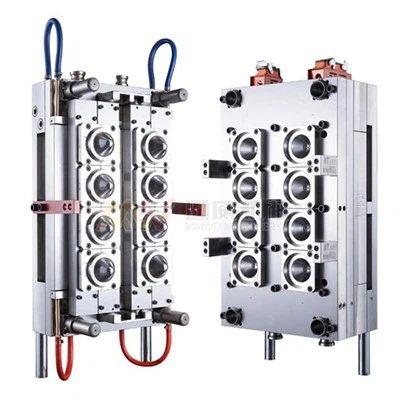
In the realm of hot runner preform molds, one crucial yet often overlooked component is the ejector pin. As a seasoned supplier of hot runner preform molds, I've witnessed firsthand the significant role ejector pins play in the molding process. In this blog post, I'll delve into what ejector pins are, their functions, types, and their importance in hot runner preform molds.
What is an Ejector Pin?
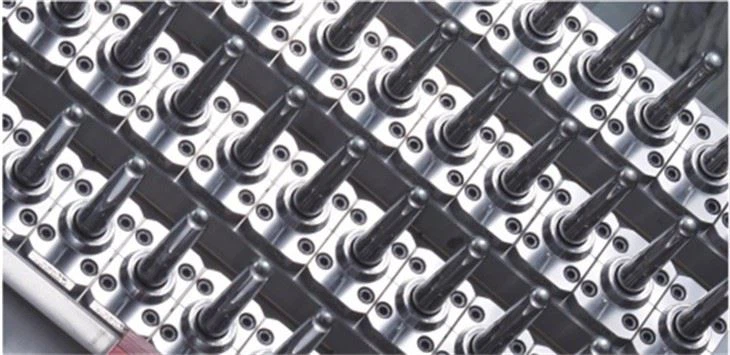
An ejector pin, also known as a knockout pin, is a slender, cylindrical rod typically made of hardened steel. It is an essential part of a mold used to eject the molded part from the cavity once the plastic has cooled and solidified. In the context of hot runner preform molds, ejector pins are strategically placed within the mold to ensure the smooth and efficient removal of preforms.
Functions of Ejector Pins in Hot Runner Preform Molds
1. Part Ejection
The primary function of ejector pins is to push the molded preform out of the mold cavity. After the injection molding process, the plastic preform adheres to the mold surface due to cooling and shrinkage. Ejector pins apply a controlled force to overcome this adhesion and release the preform from the mold. This ensures that the preform can be removed without damage, allowing for continuous production.
2. Preventing Part Sticking
Ejector pins help prevent the preform from sticking to the mold cavity. If a preform remains stuck in the mold, it can cause production delays, damage to the mold, and even result in defective parts. By providing a uniform and controlled ejection force, ejector pins minimize the risk of sticking and ensure consistent part quality.
3. Maintaining Mold Integrity
Properly designed and functioning ejector pins contribute to the overall integrity of the mold. They help distribute the ejection force evenly across the preform, reducing stress on the mold cavity and core. This extends the lifespan of the mold and reduces the need for frequent maintenance and repairs.
Types of Ejector Pins
1. Straight Ejector Pins
Straight ejector pins are the most common type used in hot runner preform molds. They have a simple cylindrical shape and are typically made of high-strength steel. Straight ejector pins are ideal for ejecting preforms with a relatively simple shape and uniform wall thickness.
2. Step Ejector Pins
Step ejector pins have a stepped design, with a larger diameter at the base and a smaller diameter at the tip. This design allows for a more gradual application of ejection force, reducing the risk of damage to the preform. Step ejector pins are often used for preforms with complex shapes or thin walls.
3. Sleeve Ejector Pins
Sleeve ejector pins consist of a hollow sleeve that surrounds a smaller ejector pin. The sleeve provides additional support and guidance to the ejector pin, ensuring accurate and consistent ejection. Sleeve ejector pins are commonly used in molds where precise ejection is required, such as in the production of high-quality preforms.

Importance of Ejector Pins in Hot Runner Preform Molds
1. Production Efficiency
Efficient ejection is crucial for maintaining high production rates in hot runner preform molding. Well-designed ejector pins ensure that preforms can be removed quickly and smoothly from the mold, minimizing cycle times and maximizing output. This is particularly important in industries where large volumes of preforms are required, such as the beverage and packaging industries.
2. Part Quality
The quality of the ejected preform is directly influenced by the performance of the ejector pins. Properly functioning ejector pins ensure that the preform is ejected without deformation, scratches, or other defects. This results in high-quality preforms that meet the strict requirements of customers and end-users.
3. Cost Savings
By preventing part sticking and reducing the risk of mold damage, ejector pins help minimize production downtime and maintenance costs. Additionally, the use of high-quality ejector pins can extend the lifespan of the mold, reducing the need for frequent mold replacements. This results in significant cost savings over the long term.
Selecting the Right Ejector Pins for Your Hot Runner Preform Mold
When selecting ejector pins for your hot runner preform mold, several factors need to be considered:
1. Preform Design
The shape, size, and wall thickness of the preform will determine the type and size of ejector pins required. For example, preforms with complex shapes or thin walls may require step or sleeve ejector pins to ensure proper ejection.
2. Mold Material
The material of the mold cavity and core will also influence the choice of ejector pins. Different mold materials have different hardness and wear characteristics, which can affect the performance and lifespan of the ejector pins. For example, molds made of hardened steel may require ejector pins made of a high-strength alloy to withstand the high forces involved in ejection.
3. Production Volume
The production volume of the preform will determine the durability and reliability requirements of the ejector pins. For high-volume production, ejector pins made of high-quality materials and with a long lifespan are recommended to minimize the need for frequent replacements.
Conclusion
In conclusion, ejector pins are an essential component of hot runner preform molds. They play a crucial role in the ejection process, ensuring the smooth and efficient removal of preforms from the mold. By understanding the functions, types, and importance of ejector pins, you can select the right ejector pins for your hot runner preform mold and optimize your production process.
As a leading supplier of hot runner preform molds, we offer a wide range of Valve Gate Preform Mold, Wide Mouth Preform Mold, and Jar Preform Mold solutions to meet your specific needs. Our team of experts can help you select the right ejector pins and mold components to ensure the highest quality and performance of your preform molding process.
If you're interested in learning more about our hot runner preform molds or have any questions about ejector pins, please don't hesitate to contact us. We look forward to discussing your requirements and helping you find the best solution for your business.
References
- "Injection Molding Handbook" by Ossenbrink, John
- "Mold Design for Injection Molding" by Rosato, Dominic V.