

In the world of preform manufacturing, the concept of holding pressure in a preform mold is a topic of great significance. As a preform mold supplier, I've witnessed firsthand how this parameter can make or break the quality of preforms. In this blog, we'll delve into what holding pressure is, its importance, and how it impacts the preform molding process.
What is Holding Pressure?
Holding pressure, in the context of preform molding, is the pressure applied to the molten plastic in the mold cavity after the initial injection phase. Once the plastic is injected into the mold, it starts to cool and shrink. The holding pressure is maintained to ensure that the mold cavity remains filled with plastic as it solidifies, compensating for the shrinkage and ensuring that the preform takes on the desired shape and dimensions.
Think of it like filling a balloon with water. After you've filled it to a certain point, you need to keep applying a bit of pressure to make sure it doesn't deflate or develop any uneven areas. Similarly, in preform molding, holding pressure is crucial for achieving a high - quality, consistent product.
The Importance of Holding Pressure
Dimensional Accuracy
One of the primary reasons holding pressure is so important is its impact on dimensional accuracy. When plastic cools, it contracts. Without sufficient holding pressure, the preform may shrink unevenly, leading to variations in wall thickness, length, and diameter. This can be a major problem, especially in industries where precise dimensions are critical, such as the packaging industry. For example, if a preform is used to make a bottle, any deviation in its dimensions can affect the fit of the cap or the overall stability of the bottle.
Surface Finish
Holding pressure also plays a significant role in the surface finish of the preform. Adequate pressure ensures that the molten plastic fills every nook and cranny of the mold cavity, resulting in a smooth and defect - free surface. Insufficient pressure can lead to surface imperfections such as sink marks, voids, or flow lines. These imperfections not only affect the aesthetic appeal of the preform but can also weaken its structure.
Mechanical Properties
The mechanical properties of the preform, such as its strength and stiffness, are also influenced by holding pressure. Proper holding pressure helps to orient the polymer molecules in a more uniform manner, which can enhance the preform's mechanical performance. A well - molded preform with the right holding pressure will be able to withstand the stresses of the subsequent blow - molding process and the handling and storage of the final product.
Factors Affecting Holding Pressure
Plastic Material
Different plastic materials have different shrinkage rates and flow properties. For example, PET (Polyethylene Terephthalate), which is commonly used in preform manufacturing, has a relatively high shrinkage rate. This means that it requires a higher holding pressure compared to some other plastics. Understanding the characteristics of the plastic material being used is essential for determining the appropriate holding pressure.
Mold Design
The design of the preform mold can also affect the required holding pressure. Factors such as the size and shape of the mold cavity, the thickness of the preform walls, and the number of cavities in the mold all play a role. A complex mold design with thin walls or multiple cavities may require a higher holding pressure to ensure proper filling and compensation for shrinkage.
Injection Molding Machine
The capabilities of the injection molding machine also influence the holding pressure. The machine must be able to generate and maintain the required pressure accurately. Factors such as the pressure - control system, the size of the injection unit, and the hydraulic or electric drive system can all affect the machine's ability to apply and maintain holding pressure.
Determining the Optimal Holding Pressure
Determining the optimal holding pressure is not a one - size - fits - all process. It requires a combination of experience, experimentation, and understanding of the specific factors involved in the preform molding process.
One common approach is to start with the recommended holding pressure values provided by the plastic material supplier. These values are based on the general characteristics of the material. However, these are just starting points, and adjustments may be necessary based on the specific mold design and the performance of the injection molding machine.
Another method is to conduct trial runs with different holding pressure settings and evaluate the quality of the preforms produced. This can involve measuring the dimensions, checking the surface finish, and testing the mechanical properties of the preforms. By analyzing the results of these trial runs, the optimal holding pressure can be determined.
Our Role as a Preform Mold Supplier
As a preform mold supplier, we understand the critical role that holding pressure plays in the preform molding process. We work closely with our customers to provide molds that are designed to work effectively with the specific plastic materials and injection molding machines they are using.
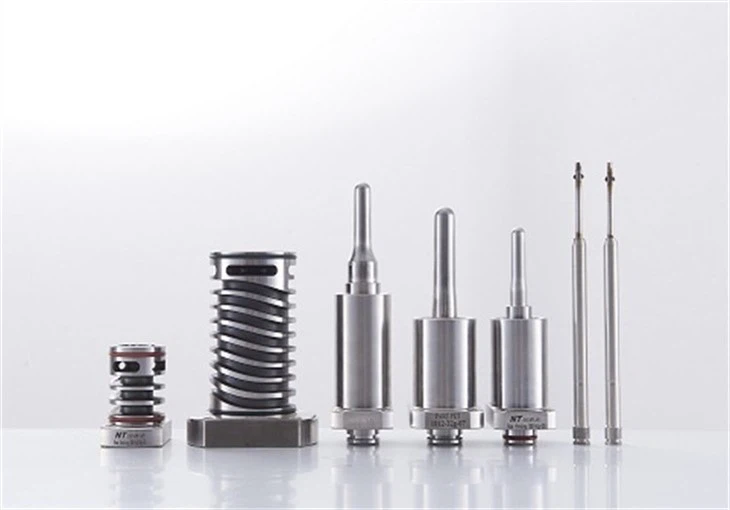
Our Valve Gate Preform Mold is designed to provide precise control over the flow of molten plastic into the mold cavity, which can help in maintaining the required holding pressure. This type of mold is particularly useful for applications where high - quality preforms with consistent dimensions are required.
Our Pet Preform Mould is specifically engineered for use with PET plastic, which is one of the most commonly used materials in the preform industry. We take into account the high shrinkage rate of PET and design the mold to ensure that the appropriate holding pressure can be applied to achieve optimal results.
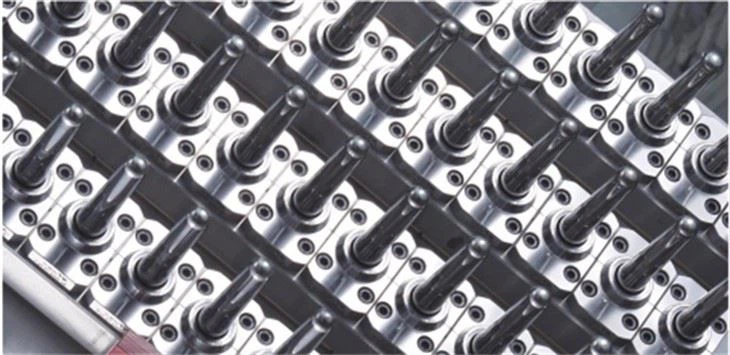
Our Hot Runner Preform Mold is another option that can help in the holding pressure process. The hot runner system keeps the plastic in the runner hot, reducing the pressure drop and ensuring a more consistent flow of plastic into the mold cavity. This can contribute to better control of the holding pressure and the production of high - quality preforms.
Contact Us for Your Preform Mold Needs
If you're in the market for high - quality preform molds and need expert advice on holding pressure and the preform molding process, we're here to help. Our team of experienced engineers and technicians can work with you to understand your specific requirements and provide customized solutions. Whether you're a small - scale manufacturer or a large - scale production facility, we have the expertise and the products to meet your needs. Contact us today to start a conversation about your preform mold requirements and how we can help you achieve the best results in your preform manufacturing process.
References
- Rosato, D. V., & Rosato, D. V. (2004). Injection Molding Handbook. Kluwer Academic Publishers.
- Beaumont, J. P. (2008). Injection Molding Troubleshooting: A Practical Guide. Hanser Gardner Publications.
- Throne, J. L. (1996). Plastics Process Engineering. Hanser Publishers.


