

In the realm of PET preform manufacturing, the quality of the preform molds plays a pivotal role in determining the overall success of the production process. As a seasoned PET preform mold supplier, I have witnessed firsthand the significant impact that injection pressure can have on the quality of these molds. In this blog post, I will delve into the intricate relationship between injection pressure and PET preform mold quality, exploring the various factors at play and providing insights based on my industry experience.
Understanding Injection Pressure in PET Preform Molding
Before we dive into the impact of injection pressure on mold quality, it's essential to understand what injection pressure is and how it functions in the PET preform molding process. Injection pressure refers to the force applied by the injection molding machine to push the molten PET material into the mold cavity. This pressure is crucial for ensuring that the material fills the cavity completely, taking on the desired shape of the preform.
The injection pressure is typically measured in megapascals (MPa) and can vary depending on several factors, including the size and complexity of the preform, the type of PET resin being used, and the design of the mold itself. Achieving the right injection pressure is a delicate balance, as too little pressure can result in incomplete filling and defects, while too much pressure can cause excessive stress on the mold and lead to other quality issues.
Impact of Injection Pressure on Mold Filling
One of the most immediate impacts of injection pressure is on the filling of the mold cavity. When the injection pressure is too low, the molten PET material may not flow evenly or completely fill the cavity. This can result in a variety of defects, such as short shots, where the preform is not fully formed, or weld lines, which occur when two streams of molten material meet and do not bond properly. These defects can compromise the structural integrity and appearance of the preform, making it unsuitable for use.
On the other hand, when the injection pressure is too high, the material may flow too quickly and forcefully into the cavity, causing turbulence and air entrapment. This can lead to the formation of voids or bubbles within the preform, which can also weaken its structure and affect its performance. Additionally, excessive pressure can cause the material to seep into areas of the mold where it is not intended, resulting in flash or burrs on the preform.
To ensure proper mold filling, it is essential to optimize the injection pressure based on the specific requirements of the preform. This may involve adjusting the pressure settings on the injection molding machine, as well as considering other factors such as the temperature of the material and the speed of injection. By carefully controlling these variables, we can achieve a consistent and high-quality fill, minimizing the risk of defects and ensuring the integrity of the preform.
Impact of Injection Pressure on Mold Wear and Tear
Another significant impact of injection pressure is on the wear and tear of the PET preform mold. High injection pressures can subject the mold to increased stress and friction, which can accelerate the rate of wear on the mold components. Over time, this can lead to dimensional changes in the mold, such as wear on the cavities or cores, which can affect the accuracy and consistency of the preforms produced.
In addition to mechanical wear, high injection pressures can also cause thermal stress on the mold. The rapid heating and cooling cycles associated with the injection molding process, combined with the high pressure, can lead to thermal expansion and contraction of the mold material. This can cause cracks or other forms of damage to the mold, reducing its lifespan and increasing the need for maintenance and replacement.
To mitigate the impact of injection pressure on mold wear and tear, it is important to use high-quality mold materials and design the mold to withstand the expected pressures. Additionally, implementing proper maintenance procedures, such as regular cleaning and lubrication, can help to extend the life of the mold and ensure its continued performance.
Impact of Injection Pressure on Preform Quality and Performance
The quality of the PET preform is directly related to the performance of the final product. Injection pressure can have a significant impact on several key aspects of preform quality, including its strength, clarity, and barrier properties.
Strength: The strength of the preform is crucial for its ability to withstand the subsequent blow molding process and the pressures exerted during use. If the injection pressure is too low, the preform may not be fully formed, resulting in a weaker structure. Conversely, if the pressure is too high, the preform may experience excessive stress, which can also lead to reduced strength. By optimizing the injection pressure, we can ensure that the preform has the necessary strength to meet the requirements of the final product.
Clarity: The clarity of the preform is an important aesthetic and functional characteristic, especially for applications where the contents of the container need to be visible. High injection pressures can cause the PET material to become more oriented, which can improve its clarity. However, excessive pressure can also lead to the formation of stress marks or haze, which can detract from the appearance of the preform. Finding the right balance of injection pressure is essential for achieving the desired level of clarity.
Barrier Properties: PET preforms are often used in applications where they need to provide a barrier against oxygen, moisture, and other contaminants. The injection pressure can affect the density and structure of the preform, which in turn can impact its barrier properties. By controlling the injection pressure, we can optimize the preform's structure to enhance its barrier performance and ensure the freshness and quality of the contents.
Optimizing Injection Pressure for PET Preform Mold Quality
As a PET preform mold supplier, our goal is to provide our customers with high-quality molds that produce consistent, defect-free preforms. To achieve this, we work closely with our customers to understand their specific requirements and optimize the injection pressure for their applications.
One of the key steps in optimizing injection pressure is conducting thorough mold testing and validation. This involves using advanced simulation software to analyze the flow of the molten PET material within the mold cavity and predict the effects of different injection pressures. By simulating the molding process, we can identify potential issues and make adjustments to the mold design or injection parameters before the mold is manufactured.
In addition to simulation, we also perform physical testing of the mold using trial runs on our injection molding machines. This allows us to fine-tune the injection pressure and other process parameters to achieve the best possible results. We carefully monitor the quality of the preforms produced during these trials, checking for defects such as short shots, weld lines, and voids, and making adjustments as needed.

Conclusion
In conclusion, injection pressure plays a critical role in the quality of PET preform molds. It affects the filling of the mold cavity, the wear and tear of the mold, and the quality and performance of the preforms themselves. By understanding the impact of injection pressure and optimizing it for each specific application, we can ensure that our customers receive high-quality molds that produce consistent, defect-free preforms.
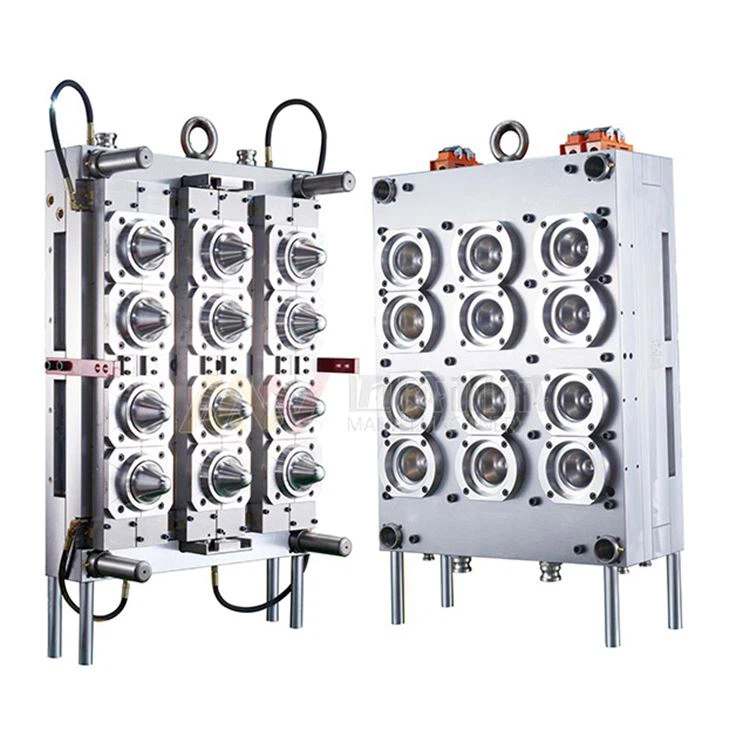
If you are in the market for Jar Preform Mold, Injection Preform Mold, or Hot Runner Preform Mold, we invite you to contact us to discuss your requirements. Our team of experts is dedicated to providing you with the best possible solutions and ensuring your success in the PET preform manufacturing industry.
References
- "Injection Molding Handbook" by O. Olszewski
- "Plastics Processing: Modeling and Simulation" by M. J. Darlington
- Industry research reports on PET preform molding technology


