Shear rate control in a valve gate preform mold is a crucial aspect that significantly impacts the quality and performance of the preforms produced. As a leading supplier of Valve Gate Preform Mold, we understand the importance of this concept and its implications in the manufacturing process.
Understanding Shear Rate
Shear rate refers to the rate at which a fluid is deformed by a shearing force. In the context of a valve gate preform mold, the fluid is the molten plastic that is injected into the mold cavity. When the plastic flows through the narrow channels of the hot runner system and the gate area, it experiences shear stress, which in turn creates a shear rate.
Mathematically, shear rate (γ) is defined as the velocity gradient perpendicular to the direction of flow. For a simple parallel - plate flow, the shear rate is given by the formula γ = dv/dy, where dv is the change in velocity and dy is the change in distance perpendicular to the flow direction.
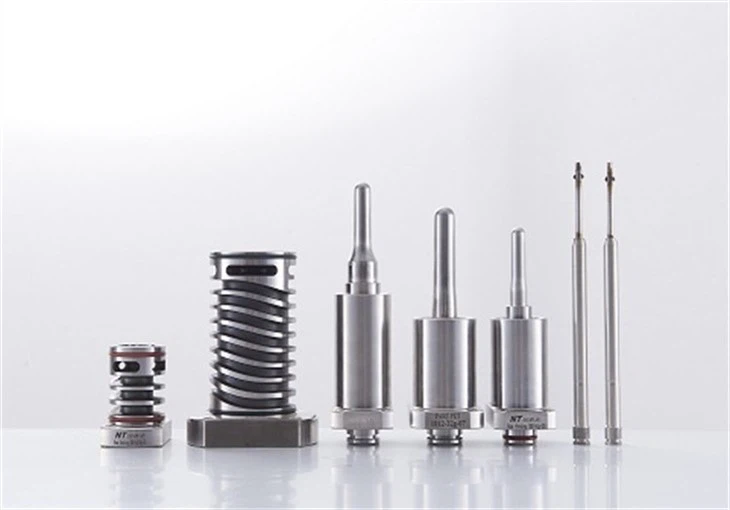

In a valve gate preform mold, the shear rate can vary depending on several factors such as the geometry of the hot runner system, the size and shape of the gate, the injection speed, and the viscosity of the plastic material.
Importance of Shear Rate Control
Product Quality
Controlling the shear rate is essential for ensuring consistent product quality. If the shear rate is too high, it can cause excessive heating of the plastic due to viscous dissipation. This overheating can lead to thermal degradation of the polymer, resulting in discoloration, reduced mechanical properties, and surface defects on the preform. For example, in the production of Jar Preform Mold, a high shear rate might cause the preform to have a yellowish tint or a rough surface finish, which is unacceptable for high - quality packaging applications.
On the other hand, if the shear rate is too low, the plastic may not flow properly into all parts of the mold cavity, leading to incomplete filling, short shots, or weld lines. These defects can compromise the structural integrity of the preform and make it unsuitable for further processing.
Process Efficiency
Proper shear rate control also improves process efficiency. By optimizing the shear rate, we can reduce the injection pressure required to fill the mold cavity. This not only saves energy but also extends the lifespan of the injection molding machine and the mold itself. Additionally, a well - controlled shear rate allows for faster cycle times, as the plastic can flow more smoothly and quickly into the mold, increasing the overall production output.
Factors Affecting Shear Rate in a Valve Gate Preform Mold
Hot Runner Design
The design of the hot runner system plays a significant role in determining the shear rate. A well - designed hot runner should have smooth channels with appropriate diameters to ensure uniform flow of the molten plastic. For instance, a hot runner with sharp corners or sudden changes in diameter can cause turbulence and increase the shear rate in those areas. Our Hot Runner Preform Mold is designed with precision to minimize such issues and provide a consistent shear rate throughout the flow path.
Gate Size and Shape
The size and shape of the gate are critical factors in shear rate control. A small gate will result in a higher shear rate because the plastic has to flow through a smaller opening, increasing the velocity gradient. Conversely, a large gate may lead to a lower shear rate but can also cause problems such as gate vestiges on the preform. We carefully select the gate size and shape based on the specific requirements of each preform design to achieve the optimal shear rate.
Injection Speed
The injection speed directly affects the shear rate. A higher injection speed will increase the velocity of the plastic flow, resulting in a higher shear rate. However, increasing the injection speed too much can lead to the problems associated with high shear rates, as mentioned earlier. Therefore, it is necessary to find the right balance between injection speed and shear rate to ensure both product quality and process efficiency.
Plastic Material Viscosity
Different plastic materials have different viscosities, which also influence the shear rate. High - viscosity materials require a higher shear rate to flow properly, while low - viscosity materials may be more sensitive to high shear rates. We work closely with our customers to select the most suitable plastic material for their preform applications and adjust the process parameters accordingly to control the shear rate.
Methods of Shear Rate Control
Process Parameter Optimization
One of the most common methods of shear rate control is through the optimization of process parameters. This includes adjusting the injection speed, pressure, and temperature. By fine - tuning these parameters, we can achieve the desired shear rate within the mold. For example, reducing the injection speed can lower the shear rate, while increasing the melt temperature can reduce the viscosity of the plastic, allowing it to flow more easily at a lower shear rate.
Mold Design Modification
Modifying the mold design is another effective way to control the shear rate. This can involve changing the geometry of the hot runner system, the gate size and shape, or the overall layout of the mold. For instance, using a larger gate or a more streamlined hot runner design can reduce the shear rate. Our engineering team has extensive experience in mold design modification and can provide customized solutions to meet the specific shear rate requirements of each project.
Use of Additives
In some cases, additives can be used to modify the rheological properties of the plastic material and control the shear rate. For example, lubricants can reduce the viscosity of the plastic, allowing it to flow more easily at a lower shear rate. However, the use of additives should be carefully evaluated as they can also affect other properties of the plastic, such as its mechanical strength and chemical resistance.
Our Expertise as a Valve Gate Preform Mold Supplier
As a leading supplier of valve gate preform molds, we have a wealth of experience in shear rate control. Our team of engineers and technicians are well - versed in the latest technologies and techniques for optimizing shear rate in the injection molding process. We use advanced simulation software to analyze the flow behavior of the plastic in the mold and predict the shear rate distribution. This allows us to make informed decisions during the mold design and process optimization stages.
We also conduct extensive testing and quality control procedures to ensure that our molds meet the highest standards of performance and reliability. Our Valve Gate Preform Mold is designed to provide precise shear rate control, resulting in high - quality preforms with excellent dimensional accuracy and surface finish.
Conclusion
Shear rate control in a valve gate preform mold is a complex but essential aspect of the injection molding process. By understanding the factors that affect shear rate and implementing effective control methods, we can ensure consistent product quality, improve process efficiency, and meet the diverse needs of our customers.
If you are in the market for high - quality valve gate preform molds or need assistance with shear rate control in your injection molding process, we invite you to contact us. Our team of experts is ready to discuss your requirements and provide you with the best solutions for your business.
References
- Tadmor, Z., & Gogos, C. G. (2006). Principles of Polymer Processing. Wiley - Interscience.
- Rosato, D. V., Rosato, D. V., & Rosato, M. G. (2000). Injection Molding Handbook. Hanser Publishers.