

As a supplier of blow molding machines, I've witnessed firsthand the critical role that a well - optimized hot runner system plays in the blow molding process. A hot runner system is a crucial component in blow molding machines as it helps to maintain the molten plastic at a consistent temperature from the injection unit to the mold cavity. This not only improves the quality of the final product but also enhances the overall efficiency of the production process. In this blog, I'll share some effective strategies on how to optimize the hot runner system in a blow molding machine.
1. Temperature Control
Temperature control is the cornerstone of a well - functioning hot runner system. Inaccurate temperature can lead to a host of problems such as inconsistent wall thickness, premature solidification of the plastic, or even material degradation. To optimize temperature control:
- Use High - Quality Temperature Sensors: Invest in reliable temperature sensors that can accurately measure the temperature at different points in the hot runner system. These sensors should be regularly calibrated to ensure their accuracy.
- Implement a Precise Heating System: A good heating system should be able to provide uniform heat distribution throughout the hot runner. This can be achieved through the use of well - designed heating cartridges or heating bands. For example, some advanced hot runner systems use segmented heating zones, allowing for more precise temperature control in different areas of the runner.
- Monitor and Adjust Continuously: Regularly monitor the temperature readings and make adjustments as needed. This may involve adjusting the power supply to the heating elements based on the actual temperature and the requirements of the plastic material being used.
2. Material Selection
The choice of materials for the hot runner system can significantly impact its performance. Different plastic materials have different melting points, viscosities, and flow characteristics. Therefore, it's essential to select a hot runner system that is compatible with the specific plastic material being used.
- Understand Material Properties: Before selecting a hot runner system, thoroughly understand the properties of the plastic material, such as its melting range, shear sensitivity, and thermal stability. For instance, some engineering plastics require a higher temperature and more precise temperature control compared to commodity plastics.
- Choose the Right Nozzle and Manifold Materials: The nozzle and manifold are critical parts of the hot runner system. They should be made of materials that can withstand the high temperatures and pressures of the molding process, as well as resist corrosion and wear. For example, some high - performance hot runner systems use stainless steel or nickel - based alloys for the nozzle and manifold.
3. Flow Balance
Achieving a balanced flow of molten plastic through the hot runner system is essential for producing high - quality blow - molded products. An unbalanced flow can result in uneven filling of the mold cavity, leading to variations in wall thickness and other defects.
- Optimize the Manifold Design: The manifold design plays a crucial role in flow balance. It should be designed to ensure that the molten plastic is evenly distributed to all the nozzles. This may involve using a symmetrical manifold layout or incorporating flow - control devices such as valves or restrictors.
- Consider Gate Design: The gate is the point where the molten plastic enters the mold cavity. Its design can also affect the flow balance. The size, shape, and location of the gate should be carefully selected to ensure a smooth and balanced flow of plastic. For example, a well - designed gate can prevent jetting or hesitation during the filling process.
4. Maintenance and Cleaning
Regular maintenance and cleaning of the hot runner system are essential to ensure its long - term performance and reliability.
- Establish a Maintenance Schedule: Develop a regular maintenance schedule that includes tasks such as checking the temperature sensors, inspecting the heating elements, and lubricating moving parts. This can help to identify and address potential problems before they cause significant downtime.
- Clean the Hot Runner System Properly: Over time, plastic residues can accumulate in the hot runner system, which can affect its performance. Use appropriate cleaning methods and solvents to remove these residues. However, be careful not to damage the components during the cleaning process.
5. System Integration
The hot runner system should be well - integrated with the rest of the blow molding machine. This includes proper electrical and mechanical connections, as well as compatibility with the control system of the machine.
- Ensure Electrical Compatibility: The electrical components of the hot runner system, such as the temperature controllers and heating elements, should be compatible with the electrical system of the blow molding machine. This can prevent electrical problems and ensure reliable operation.
- Coordinate with the Control System: The hot runner system should be able to communicate effectively with the control system of the blow molding machine. This allows for seamless operation and the ability to adjust the hot runner parameters based on the overall molding process requirements.
6. Upgrading and Retrofitting
As technology advances, it may be beneficial to upgrade or retrofit the hot runner system in your blow molding machine.
- Stay Informed about New Technologies: Keep up - to - date with the latest developments in hot runner technology, such as new materials, improved heating systems, or advanced flow - control devices. This can help you identify opportunities to improve the performance of your hot runner system.
- Evaluate the Cost - Benefit of Upgrades: Before making any upgrades or retrofits, carefully evaluate the cost - benefit ratio. Consider factors such as the expected improvement in product quality, production efficiency, and the payback period of the investment.
Conclusion
Optimizing the hot runner system in a blow molding machine is a complex but rewarding process. By focusing on temperature control, material selection, flow balance, maintenance, system integration, and upgrading, you can significantly improve the performance of your blow molding machine, resulting in higher - quality products, increased production efficiency, and reduced costs.
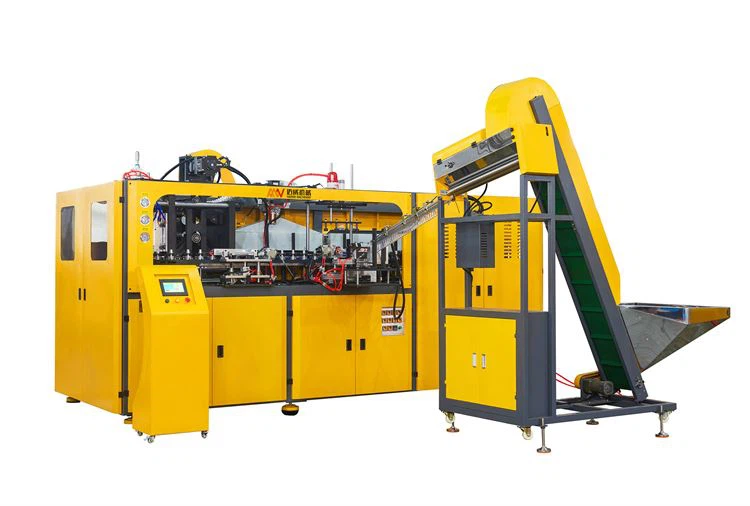
If you're interested in learning more about our Fully Automatic Blow Molding Machine, Pp Blow Molding Machine, or Bottle Blow Molding Machine, or if you have any questions about optimizing the hot runner system in your blow molding machine, we're here to help. Feel free to reach out to us for more information and to discuss your specific requirements. Our team of experts is ready to assist you in finding the best solutions for your blow molding needs.

References
- Beall, D. (2018). Injection Molding Handbook. Hanser Publications.
- Rosato, D. V., & Rosato, D. P. (2011). Injection Molding: The Definitive Processing Guide and Handbook. Kluwer Academic Publishers.
- Throne, J. L. (2017). Blow Molding Handbook. Hanser Publications.


