As a supplier of Jar Preform Molds, I understand the critical role that screw rotation speed plays in the injection molding process. Selecting the right screw rotation speed is essential for achieving high-quality jar preforms, optimizing production efficiency, and reducing costs. In this blog post, I will share some insights on how to select the right screw rotation speed for a Jar Preform Mold.
Understanding the Basics of Screw Rotation Speed
Before delving into the selection process, it's important to understand what screw rotation speed is and how it affects the injection molding process. The screw rotation speed refers to the number of revolutions per minute (RPM) at which the screw in the injection molding machine rotates. This rotation is responsible for melting the plastic resin, conveying it forward, and injecting it into the mold cavity.
The screw rotation speed has a direct impact on several key aspects of the injection molding process:
- Plasticization: The speed at which the screw rotates affects how quickly the plastic resin is melted and homogenized. A higher rotation speed can lead to faster plasticization, but it may also cause overheating and degradation of the plastic if not properly controlled.
- Injection Pressure: The rotation speed of the screw influences the injection pressure. A higher rotation speed can generate more pressure, which is necessary for filling the mold cavity completely. However, excessive pressure can lead to flash, warping, or other defects in the preform.
- Cycle Time: The screw rotation speed can significantly impact the cycle time of the injection molding process. A faster rotation speed can reduce the cycle time, increasing production efficiency. However, it's important to find the right balance to avoid compromising the quality of the preforms.
Factors to Consider When Selecting Screw Rotation Speed
Several factors need to be considered when selecting the right screw rotation speed for a Jar Preform Mold. These factors include:

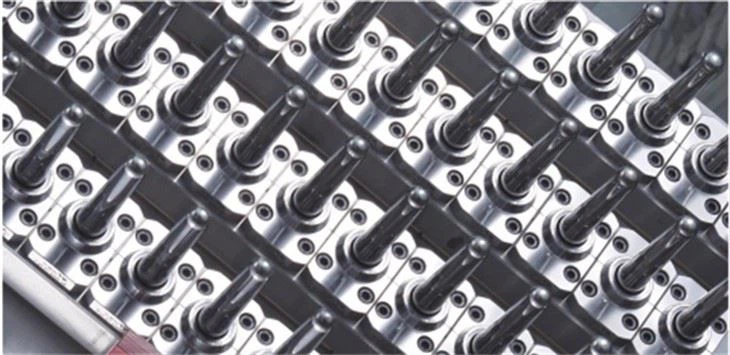
- Plastic Resin Properties: Different plastic resins have different melting points, viscosities, and flow characteristics. These properties determine how easily the resin can be melted and injected into the mold. For example, a resin with a high melting point may require a higher screw rotation speed to ensure proper plasticization.
- Mold Design: The design of the Jar Preform Mold, including the size, shape, and complexity of the preform, can affect the required screw rotation speed. A larger or more complex preform may require a higher rotation speed to ensure complete filling of the mold cavity.
- Injection Molding Machine Specifications: The capabilities of the injection molding machine, such as the screw diameter, length, and power, also play a role in determining the appropriate screw rotation speed. It's important to consult the machine's manual or the manufacturer for recommended speed ranges.
- Production Requirements: The desired production volume and quality requirements will influence the screw rotation speed. If high production rates are needed, a higher rotation speed may be necessary. However, if quality is the top priority, a lower speed may be required to ensure consistent and defect-free preforms.
Step-by-Step Guide to Selecting Screw Rotation Speed
Here is a step-by-step guide to help you select the right screw rotation speed for a Jar Preform Mold:
- Understand the Plastic Resin: Familiarize yourself with the properties of the plastic resin you will be using. Check the manufacturer's specifications for recommended processing temperatures and screw rotation speeds.
- Analyze the Mold Design: Evaluate the design of the Jar Preform Mold. Consider the size, shape, and complexity of the preform, as well as any specific features or requirements.
- Review the Injection Molding Machine Specifications: Refer to the machine's manual or consult the manufacturer to determine the maximum and minimum screw rotation speeds supported by the machine.
- Start with a Conservative Speed: Begin with a relatively low screw rotation speed and gradually increase it while monitoring the quality of the preforms. This will help you identify the optimal speed range without risking damage to the mold or the machine.
- Monitor the Process: Pay close attention to the injection molding process, including the plasticization, filling, and cooling stages. Look for any signs of defects, such as flash, warping, or incomplete filling. Adjust the screw rotation speed as needed to address these issues.
- Conduct Testing and Optimization: Conduct a series of tests with different screw rotation speeds to find the best balance between production efficiency and preform quality. Keep detailed records of the test results to inform future production runs.
Common Mistakes to Avoid
When selecting the screw rotation speed for a Jar Preform Mold, it's important to avoid the following common mistakes:
- Using Excessive Speed: A too-high screw rotation speed can cause overheating, degradation of the plastic resin, and excessive wear on the screw and barrel. This can lead to poor preform quality and increased maintenance costs.
- Ignoring the Plastic Resin Properties: Different plastic resins have different processing requirements. Failing to consider the resin's properties can result in incomplete plasticization, poor flow, and other defects in the preforms.
- Not Adjusting for Mold Design: The design of the mold can significantly affect the required screw rotation speed. Ignoring the mold design can lead to incomplete filling, flash, or other issues.
- Neglecting Machine Specifications: Each injection molding machine has its own limitations and capabilities. Using a screw rotation speed that exceeds the machine's specifications can damage the machine and compromise the quality of the preforms.
Conclusion
Selecting the right screw rotation speed for a Jar Preform Mold is a critical step in the injection molding process. By considering the plastic resin properties, mold design, injection molding machine specifications, and production requirements, you can find the optimal speed range that ensures high-quality preforms, efficient production, and cost savings. Remember to start with a conservative speed, monitor the process closely, and conduct testing and optimization to achieve the best results.
If you are in the market for a high-quality Jar Preform Mold or need more information on selecting the right screw rotation speed, please feel free to [contact us for procurement and negotiation]. We are a leading supplier of Pet Preform Mould, Injection Preform Mold, and Valve Gate Preform Mold, and we are committed to providing our customers with the best products and services.
References
- "Injection Molding Handbook" by O.A. Johannaber
- "Plastics Processing: Modeling and Simulation" by Johannes Karger-Kocsis
- Technical manuals and specifications provided by plastic resin manufacturers and injection molding machine manufacturers