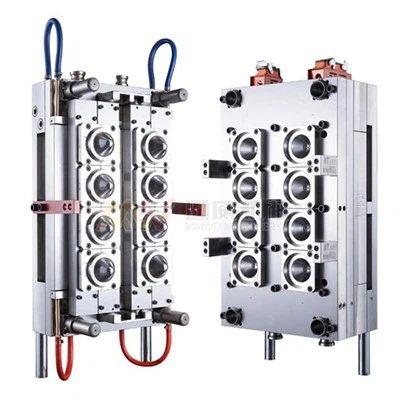
Hey there! As a supplier of Pet Preform Moulds, I've seen my fair share of problems that customers face with these molds. In this blog, I'm gonna share some tips on how to solve the common issues related to pet preform moulds.
1. Surface Defects
One of the most common problems with pet preform moulds is surface defects. These can include things like streaks, splay, and haze on the preform surface.
Streaks
Streaks on the preform surface are often caused by uneven flow of the molten plastic in the mold. To fix this, you need to check the temperature distribution in the hot runner system. Sometimes, a blockage in the hot runner nozzle can also lead to streaks. Make sure to clean the nozzles regularly. If the problem persists, you might need to adjust the injection speed. A too - high injection speed can cause the plastic to flow unevenly, resulting in streaks.
Splay
Splay looks like a spider - web pattern on the preform surface and is usually due to moisture in the plastic resin. Before using the resin, dry it properly according to the manufacturer's recommendations. Also, check the drying equipment to ensure it's working correctly. Another cause could be air entrapment in the mold cavity. You can try increasing the venting in the mold to let the air escape during the injection process.
Haze
Haze on the preform surface can be a result of improper cooling. If the cooling rate is too fast or too slow, it can affect the clarity of the preform. Check the cooling channels in the mold to make sure they are clean and not blocked. You may also need to adjust the coolant temperature and flow rate to achieve the optimal cooling conditions.
2. Dimension Inaccuracies
Getting the right dimensions for pet preforms is crucial. Dimension inaccuracies can lead to problems during the blow - molding process.
Shrinkage
Shrinkage is a common cause of dimension changes in pet preforms. Different plastics have different shrinkage rates, and it's important to know the shrinkage rate of the resin you're using. You can compensate for shrinkage by adjusting the mold dimensions during the design phase. If you're already facing shrinkage issues with an existing mold, you may need to make some minor modifications to the mold, like slightly increasing the cavity size.
Flash
Flash occurs when the plastic leaks out of the mold cavity and forms thin, unwanted edges on the preform. This is often due to a poor fit between the mold halves or excessive injection pressure. Check the alignment of the mold halves and make sure they are properly clamped. If the injection pressure is too high, reduce it gradually until the flash problem is solved.
3. Gate Problems
The gate is the point where the molten plastic enters the mold cavity, and it can cause several issues.
Gate Mark
A visible gate mark on the preform can be a cosmetic issue. To reduce the gate mark, you can try using a valve gate system. Valve gates allow for better control of the plastic flow at the gate, resulting in a cleaner gate area. Check out our Valve Gate Preform Mold for more information on this type of mold.
Gate Blockage
Gate blockage can stop the plastic from flowing into the mold cavity properly. This can be caused by solidified plastic in the gate area. Clean the gate regularly to prevent blockages. You can also adjust the gate size and shape to ensure a smooth flow of plastic.
4. Hot Runner System Issues
The hot runner system plays a vital role in the performance of pet preform moulds.
Temperature Variation
Uneven temperature in the hot runner system can lead to inconsistent plastic flow and quality issues. Install temperature sensors at different points in the hot runner to monitor the temperature. Make sure the heating elements are working correctly and replace any faulty ones. You can also use a temperature control system to maintain a stable temperature throughout the hot runner.
Leakage
Leakage in the hot runner system can waste plastic and cause a mess in the molding process. Check the seals and connections in the hot runner for any signs of wear or damage. Replace the seals if necessary. Also, make sure the hot runner is properly installed and tightened to prevent leakage. For more details on hot runner preform molds, check out our Hot Runner Preform Mold page.


5. Mold Maintenance
Proper mold maintenance is essential to prevent problems and extend the lifespan of pet preform moulds.
Regular Cleaning
Clean the mold after each production run to remove any residual plastic, dirt, or debris. Use appropriate cleaning agents and tools to avoid damaging the mold surface. Pay special attention to the cavities, cores, and hot runner components.
Lubrication
Lubricate the moving parts of the mold, such as ejector pins and slides, regularly. This will ensure smooth operation and prevent wear and tear.
Inspection
Periodically inspect the mold for any signs of damage, such as cracks, wear on the cavity surface, or loose components. Early detection of problems can save you a lot of time and money in the long run.
6. Material Compatibility
Using the right plastic resin is crucial for the performance of pet preform moulds.
Resin Selection
Different pet preforms require different types of plastic resins. Make sure to choose a resin that is compatible with your mold and the end - use application of the preform. For example, if you're making jars, you might need a resin with specific properties like high stiffness and good barrier properties. Check out our Jar Preform Mold for more information on molds for jar preforms.
Resin Quality
Always use high - quality plastic resin. Poor - quality resin can contain impurities that can cause problems like surface defects and dimension inaccuracies.
Conclusion
Solving the problems of pet preform moulds requires a combination of proper design, maintenance, and process control. By addressing the common issues like surface defects, dimension inaccuracies, gate problems, hot runner system issues, and ensuring proper material compatibility, you can improve the quality of your pet preforms and increase the efficiency of your production process.
If you're facing any problems with your pet preform moulds or are looking to purchase new ones, feel free to get in touch with us. We're here to help you find the best solutions for your specific needs.
References
- Injection Molding Handbook, by O. Olanipekun
- Plastics Processing: Principles and Practice, by J. A. Brydson