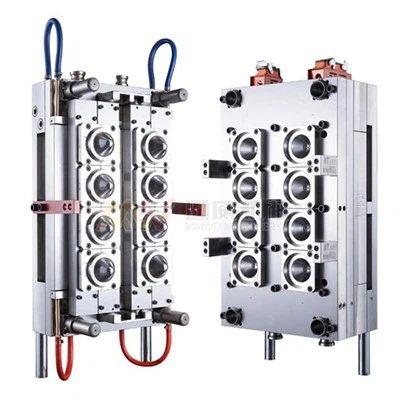
Hey there! I'm a supplier of pet molds, and today I wanna have an open and honest chat about the disadvantages of using pet molds. It's not all sunshine and rainbows, you know? While pet molds have been a game - changer in the manufacturing world, there are some downsides that we need to talk about.
High Initial Investment
First off, the cost of getting pet molds is no joke. Buying a high - quality pet mold can set you back a significant amount of money. Whether it's an Injection Preform Mold, a Jar Preform Mold, or a Valve Gate Preform Mold, the upfront investment is huge. You've got to shell out for the design, the materials, and the manufacturing process. For small businesses or startups, this can be a real barrier. They might not have the capital to invest in top - notch pet molds right away, and using cheaper alternatives can lead to other problems down the line.
Limited Design Flexibility
Another biggie is the limited design flexibility. Once a pet mold is made, it's pretty much set in stone. Making changes to the design can be a real headache. You'd have to go through the whole process of re - designing, re - manufacturing, and re - testing the mold. This takes time and money. If you're in an industry where trends change quickly, like the packaging industry, this can be a real drawback. You might come up with a great new design idea, but implementing it with your existing pet mold just isn't possible. It's like being stuck in a box, and you can't easily break out of it.
Maintenance and Repairs
Maintenance and repairs are also a pain. Pet molds need regular maintenance to keep them in good working condition. This includes cleaning, lubricating, and inspecting for wear and tear. If you don't do this, the quality of the products coming out of the mold can suffer. And when something goes wrong, repairs can be expensive and time - consuming. You might have to shut down your production line while the mold is being fixed, which means lost time and lost money. Sometimes, finding the right parts for the repair can be a challenge too, especially if the mold is an older model or a custom - made one.
Long Lead Times
Long lead times are yet another disadvantage. From the moment you place an order for a pet mold to the time you actually get it in your hands, it can take weeks or even months. This is because the manufacturing process of pet molds is complex. There are multiple steps involved, like machining, heat - treating, and finishing. Any delays in these steps can push back the delivery date. If you're on a tight production schedule, this can really mess things up. You might miss out on important deadlines, and your customers might not be too happy about it.
Environmental Concerns
Let's not forget about the environmental concerns. The production of pet molds often involves the use of a lot of energy and resources. The materials used in the molds, like steel and aluminum, need to be mined and processed, which has a significant environmental impact. Also, when the molds reach the end of their lifespan, disposing of them can be a problem. They're not easy to recycle, and if they end up in landfills, they can take up a lot of space.
Quality Variations
Quality variations can also be an issue. Even with the best - made pet molds, there can be some variations in the quality of the products coming out. This can be due to factors like temperature fluctuations during the molding process, differences in the raw materials used, or wear and tear on the mold over time. These variations can lead to inconsistent products, which can be a problem for businesses that rely on high - quality, uniform products. For example, if you're making plastic bottles, and some of them have thinner walls than others, it can affect the functionality and the overall look of the product.
Compatibility Issues
Compatibility issues are something else to consider. Pet molds need to be compatible with the molding machines they're used with. If there's a mismatch, it can lead to all sorts of problems. The mold might not fit properly in the machine, or it might not work efficiently. This can result in poor - quality products and increased production costs. You might have to invest in new equipment to make the mold work, which adds to the overall cost.
High Energy Consumption
The high energy consumption of pet molds is a significant drawback. The molding process requires a lot of heat to melt the plastic and form the products. This means using a lot of electricity or gas. In today's world, where energy costs are rising and there's a push for more sustainable manufacturing practices, this can be a real problem. High energy consumption not only increases your production costs but also has a negative impact on the environment.
Training Requirements
Training your staff to use pet molds properly is also a challenge. Operating pet molds requires specific skills and knowledge. Your employees need to know how to set up the mold, how to control the molding process, and how to troubleshoot problems. Providing this training can take time and resources. If your staff isn't properly trained, they might make mistakes that can damage the mold or produce poor - quality products.
Market Competition
Finally, market competition can be a disadvantage when it comes to pet molds. There are a lot of suppliers out there, and it can be hard to stand out. You've got to offer high - quality molds at competitive prices, and that's not always easy. If you're a small supplier, you might find it difficult to compete with the big players in the market. They might have more resources, better technology, and more established customer relationships.
Despite all these disadvantages, pet molds still have their place in the manufacturing world. They're great for producing large quantities of high - quality products with consistent dimensions. But it's important to be aware of these drawbacks so you can make an informed decision when it comes to using pet molds in your business.
If you're still interested in learning more about pet molds or if you're thinking about making a purchase, I'd love to have a chat with you. Let's talk about how we can work together to find the best solutions for your manufacturing needs. Whether you're looking for an Injection Preform Mold, a Jar Preform Mold, or a Valve Gate Preform Mold, I'm here to help. Reach out and let's start the conversation!

References
- "Plastic Molding Technology Handbook"
- "The Handbook of Mold Design and Manufacturing"
- Industry reports on pet mold manufacturing and usage