

Hey there! As a supplier of Hot Runner Preform Mold, I often get asked about the differences between hot runners and cold runners in preform molds. So, I thought I'd break it down for you in this blog post.

What are Hot Runners and Cold Runners?
First things first, let's define what hot runners and cold runners are. In the world of injection molding, runners are the channels through which the molten plastic flows from the injection unit to the mold cavities.
A cold runner system is the traditional method. It's like a big network of channels that cools down the plastic as it moves towards the mold cavities. Once the plastic has filled the cavities and solidified into preforms, the runner system, which is also filled with solidified plastic, is ejected along with the preforms. This means you end up with a bunch of plastic waste in the form of the runner system, which needs to be recycled or discarded.
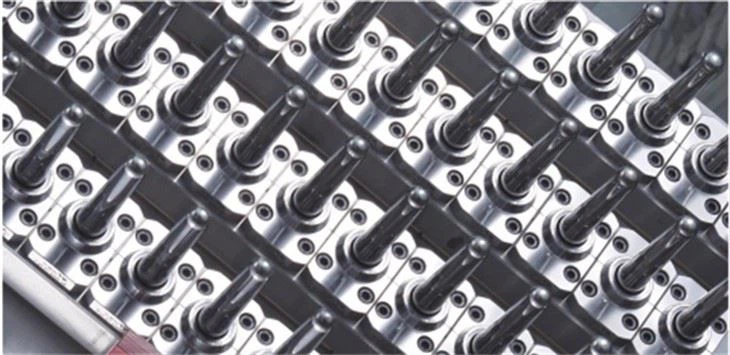
On the other hand, a hot runner system keeps the plastic in the runner channels molten throughout the entire injection process. This is achieved by using heaters to maintain a constant temperature in the runner system. As a result, only the plastic that goes into the mold cavities to form the preforms is used, and there's no solidified plastic in the runner system to be ejected.
Cost and Efficiency
One of the biggest differences between hot runners and cold runners is the cost and efficiency. Cold runner systems are generally cheaper to install and maintain. They don't require the complex heating elements and temperature control systems that hot runner systems do. However, they are less efficient in terms of material usage. As I mentioned earlier, the plastic in the runner system is wasted every time a part is molded. This not only adds to the material cost but also requires additional processing to recycle the waste plastic.
Hot runner systems, on the other hand, are more expensive upfront. The cost of the heating elements, temperature controllers, and other components can be quite high. But in the long run, they are more cost - effective. Since there's no runner waste, you save on material costs. Also, the cycle time is often shorter with hot runner systems because there's no need to wait for the runner system to cool down and eject the waste. This means you can produce more preforms in less time, increasing your overall productivity.
Quality of Preforms
The quality of the preforms can also be affected by the type of runner system used. With a cold runner system, the plastic in the runner cools down as it travels towards the mold cavities. This can cause variations in the temperature and viscosity of the plastic, which may result in uneven filling of the cavities. This can lead to defects in the preforms, such as short shots, warping, or inconsistent wall thickness.
In a hot runner system, the plastic remains at a constant temperature throughout the injection process. This ensures a more consistent flow of plastic into the mold cavities, resulting in higher - quality preforms with more uniform wall thickness and fewer defects. The ability to control the temperature in the hot runner system also allows for better control over the crystallization of the plastic, which is important for the properties of the final preform.
Design Flexibility
When it comes to design flexibility, hot runner systems have an edge. Since the plastic in the hot runner system remains molten, it can be easily directed to multiple mold cavities in a more complex layout. This allows for more intricate and efficient mold designs. You can have a larger number of cavities in a single mold, increasing the production rate without sacrificing the quality of the preforms.
Cold runner systems, on the other hand, are more limited in terms of design. The need to cool down the runner system and eject the waste plastic restricts the layout of the runner channels and the number of cavities that can be effectively fed.
Maintenance and Reliability
Maintenance is another area where hot runners and cold runners differ. Cold runner systems are relatively simple and easy to maintain. There are no complex heating elements or temperature control systems to worry about. You just need to clean the runner channels regularly to prevent any blockages.
Hot runner systems, however, require more maintenance. The heating elements and temperature controllers need to be checked and calibrated regularly to ensure they are working properly. Any malfunction in the hot runner system can lead to production downtime and quality issues. But if properly maintained, hot runner systems can be very reliable and can provide long - term performance.
Applications
Both hot runner and cold runner systems have their own applications. Cold runner systems are often used for low - volume production or for applications where cost is the primary concern. They are also suitable for materials that are sensitive to high temperatures or where the quality requirements are not extremely high.
Hot runner systems, on the other hand, are widely used in high - volume production of preforms, especially for industries such as beverage packaging, where the quality and consistency of the preforms are crucial. They are also preferred for materials that require precise temperature control during the injection process, such as PET (polyethylene terephthalate) used in Pet Preform Mould.
Making the Right Choice
So, which runner system is right for you? Well, it depends on several factors. If you're just starting out and have a limited budget and low - volume production requirements, a cold runner system might be a good choice. It's simple, cost - effective, and easy to maintain.
But if you're looking to increase your production volume, improve the quality of your preforms, and have more design flexibility, then a hot runner system is the way to go. It may require a larger upfront investment, but the long - term benefits in terms of cost savings, productivity, and quality make it a worthwhile investment.
As a supplier of Hot Runner Preform Mold and Injection Preform Mold, I can help you determine the best runner system for your specific needs. Whether you're in the market for a new mold or looking to upgrade your existing one, I'd be happy to have a chat with you and discuss your options.
If you're interested in learning more about our products or have any questions about hot runners and cold runners in preform molds, don't hesitate to reach out. Let's start a conversation and see how we can work together to meet your preform production goals.
References
- "Injection Molding Handbook" by O. Olers
- "Plastic Injection Molding Technology" by Rosato and Rosato
So, there you have it! I hope this blog post has given you a better understanding of the differences between hot runners and cold runners in preform molds. If you have any more questions, feel free to drop me a line.


