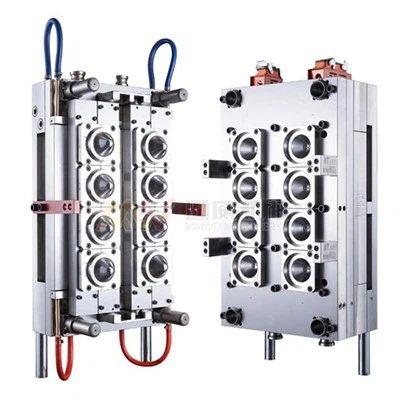
Wear resistance is a critical factor in the performance and longevity of a valve gate preform mold. As a leading supplier of Valve Gate Preform Mold, I understand the significance of this characteristic and its impact on the overall efficiency of the manufacturing process. In this blog, we will delve into what wear resistance means for a valve gate preform mold, why it matters, and how we ensure high - quality wear - resistant molds for our customers.
What is Wear Resistance in a Valve Gate Preform Mold?
Wear resistance refers to the ability of a valve gate preform mold to withstand the physical forces and chemical reactions that occur during the injection molding process without significant deterioration. During the production of preforms, the mold is subjected to high - pressure injection of molten plastic, repeated opening and closing, and contact with various additives and polymers. These factors can cause abrasion, corrosion, and fatigue on the mold surface over time.
Abrasion is one of the most common forms of wear in a valve gate preform mold. When the molten plastic is injected into the mold cavity at high speed, it can scrape against the mold walls, gradually wearing away the surface material. This can lead to a loss of dimensional accuracy, surface finish quality, and ultimately, the production of defective preforms.
Corrosion can also occur, especially when the plastic materials used contain corrosive additives or when the molding environment is humid. Chemical reactions between the mold material and these substances can cause pitting, rusting, and degradation of the mold surface.
Fatigue wear is another concern. The repeated stress cycles from the opening and closing of the mold, as well as the pressure changes during injection, can cause micro - cracks to form in the mold material. Over time, these cracks can propagate, leading to structural failure of the mold.
Why Wear Resistance Matters
The importance of wear resistance in a valve gate preform mold cannot be overstated. Firstly, it directly affects the quality of the preforms produced. A mold with good wear resistance will maintain its precise dimensions and smooth surface finish over a long period. This ensures that each preform has consistent wall thickness, accurate shape, and a high - quality appearance, which is crucial for downstream processes such as blow - molding.
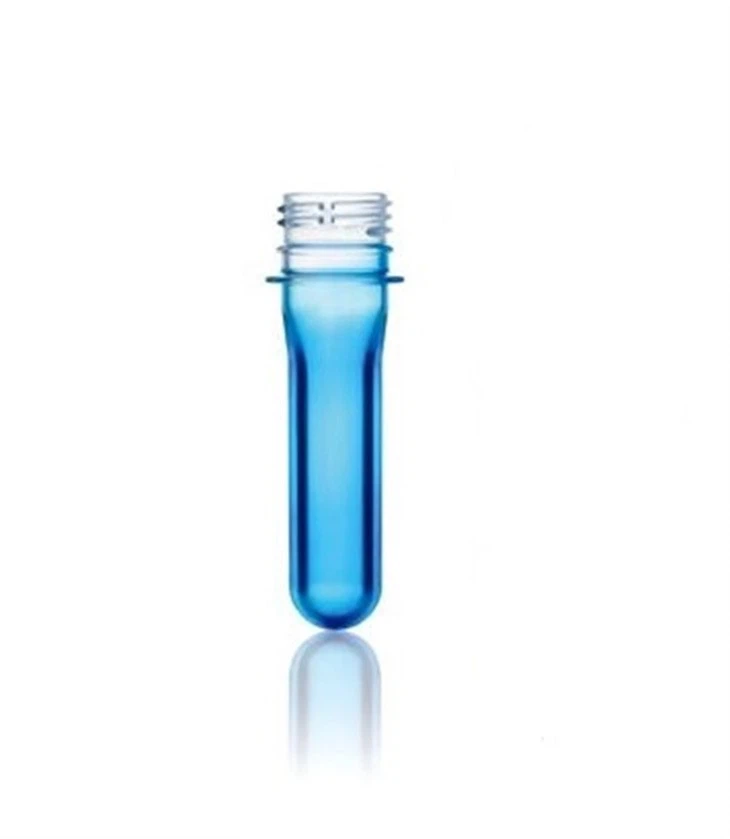

Secondly, wear - resistant molds have a longer service life. By reducing the rate of wear and tear, the mold can be used for a greater number of production cycles before it needs to be repaired or replaced. This translates into significant cost savings for manufacturers, as they can avoid the frequent expense of mold replacement and the associated downtime for mold change - overs.
In addition, high wear resistance improves the overall efficiency of the production process. A well - maintained mold requires less frequent cleaning and maintenance, allowing for continuous and uninterrupted production. This increases productivity and reduces production costs per unit.
Factors Affecting Wear Resistance
Several factors influence the wear resistance of a valve gate preform mold.
Mold Material
The choice of mold material is perhaps the most important factor. High - quality tool steels, such as P20, H13, and S7, are commonly used for valve gate preform molds due to their excellent mechanical properties and wear - resistant characteristics. These steels have high hardness, toughness, and resistance to corrosion. For example, H13 steel is known for its good heat - treating properties, which can be optimized to achieve the desired hardness and wear resistance.
Some advanced mold materials, such as tungsten carbide and ceramic composites, are also being explored for their superior wear - resistant properties. However, these materials can be more expensive and difficult to machine, so their use is often limited to specific applications.
Surface Treatment
Surface treatments can significantly enhance the wear resistance of a mold. One common treatment is nitriding, which involves diffusing nitrogen into the surface of the mold material to form a hard nitride layer. This layer can improve the mold's resistance to abrasion, corrosion, and fatigue.
Another popular surface treatment is chrome plating. Chrome has a very hard and smooth surface, which can reduce friction between the mold and the plastic material, thereby minimizing abrasion. It also provides good corrosion resistance.
Design and Manufacturing Process
The design of the valve gate preform mold can also impact its wear resistance. A well - designed mold will have smooth internal surfaces, proper gate design, and optimized cooling channels. Smooth surfaces reduce the frictional forces between the plastic and the mold, while a well - designed gate ensures a uniform flow of molten plastic, reducing the likelihood of abrasion.
The manufacturing process is equally important. Precision machining techniques, such as CNC milling and EDM (Electrical Discharge Machining), can ensure high - quality surface finishes and accurate dimensions. This helps to prevent stress concentrations and uneven wear on the mold surface.
Our Approach to Ensuring Wear Resistance
As a Valve Gate Preform Mold supplier, we take several steps to ensure that our molds have excellent wear resistance.
Material Selection
We carefully select the mold materials based on the specific requirements of each project. For most standard applications, we use high - grade tool steels that offer a good balance of hardness, toughness, and wear resistance. We work closely with our material suppliers to ensure the quality and consistency of the materials.
Advanced Surface Treatments
We offer a range of surface treatments to enhance the wear resistance of our molds. Our nitriding process is carefully controlled to achieve the optimal nitride layer thickness and hardness. We also use state - of - the - art chrome plating techniques to provide a smooth and durable surface finish.
Precision Design and Manufacturing
Our team of experienced engineers uses the latest CAD/CAM software to design molds with optimal geometries. We pay close attention to details such as gate design, runner system, and cooling channels to ensure uniform plastic flow and minimal stress on the mold.
In the manufacturing process, we utilize advanced CNC machining centers and EDM equipment to achieve high - precision machining. Our quality control team conducts rigorous inspections at every stage of production to ensure that the molds meet the highest standards of dimensional accuracy and surface finish.
Related Products and Their Wear Resistance
In addition to Valve Gate Preform Mold, we also supply Wide Mouth Preform Mold and Injection Preform Mold.
The wear resistance requirements for wide - mouth preform molds are similar to those of valve gate preform molds. However, due to the larger opening and potentially different plastic flow patterns, the design and surface treatment may need to be adjusted accordingly. We have developed specialized design and manufacturing techniques to ensure that our wide - mouth preform molds have excellent wear resistance and can produce high - quality wide - mouth preforms.
Injection preform molds, on the other hand, are used in the initial injection molding process. They are also subject to high - pressure injection and repeated stress cycles. Our injection preform molds are designed with wear resistance in mind, using the same high - quality materials and advanced surface treatments as our valve gate preform molds.
Conclusion
Wear resistance is a fundamental characteristic of a valve gate preform mold that directly impacts the quality of preforms, the service life of the mold, and the overall efficiency of the production process. As a Valve Gate Preform Mold supplier, we are committed to providing our customers with molds that have excellent wear resistance. Through careful material selection, advanced surface treatments, and precision design and manufacturing, we ensure that our molds can withstand the rigors of the injection molding process and deliver consistent, high - quality results.
If you are in the market for a high - quality, wear - resistant valve gate preform mold, wide - mouth preform mold, or injection preform mold, we invite you to contact us for a detailed discussion. Our team of experts will work with you to understand your specific requirements and provide the best - suited mold solutions for your production needs.
References
- "Injection Molding Handbook" by O. O. Okkens
- "Tool and Manufacturing Engineers Handbook" by Society of Manufacturing Engineers