

In the realm of plastic manufacturing, preform molds play a pivotal role in the production of various plastic containers, from beverage bottles to cosmetic jars. As a preform mold supplier, one of the most frequently asked questions we encounter is, "How long does a preform mold last?" This question is not only crucial for manufacturers looking to optimize their production costs but also for ensuring consistent product quality over time. In this blog post, we will delve into the factors that influence the lifespan of a preform mold and provide insights into how to maximize its durability.
Understanding Preform Molds
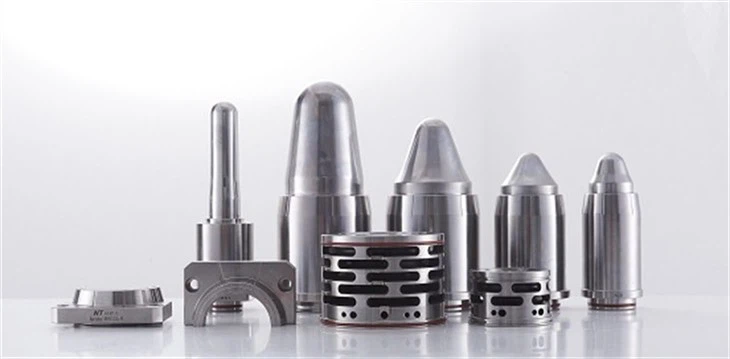
Before we discuss the lifespan of preform molds, it's essential to understand what they are and how they function. Preform molds are used to create preforms, which are small, tube-shaped plastic parts that are later blown into their final container shape. There are different types of preform molds, including Pet Preform Mould, Injection Preform Mold, and Hot Runner Preform Mold. Each type has its unique characteristics and applications, but they all share the common goal of producing high-quality preforms efficiently.
Factors Affecting the Lifespan of a Preform Mold
The lifespan of a preform mold can vary significantly depending on several factors. Here are some of the key factors that can influence how long a preform mold lasts:
1. Material Quality
The quality of the materials used to manufacture the preform mold is one of the most critical factors affecting its lifespan. High-quality mold steels, such as P20, H13, and S7, are commonly used due to their excellent strength, hardness, and wear resistance. These materials can withstand the high pressures and temperatures involved in the injection molding process, reducing the risk of premature wear and damage. On the other hand, using low-quality materials can lead to rapid deterioration of the mold, resulting in frequent repairs or replacements.
2. Design and Engineering
The design and engineering of the preform mold also play a crucial role in its lifespan. A well-designed mold will have proper cooling channels, balanced gating systems, and optimized parting lines, which can help to reduce stress on the mold during the injection molding process. Additionally, advanced engineering techniques, such as finite element analysis (FEA) and computational fluid dynamics (CFD), can be used to simulate the molding process and identify potential issues before the mold is manufactured. This can help to ensure that the mold is designed to withstand the specific requirements of the application, maximizing its lifespan.
3. Operating Conditions
The operating conditions under which the preform mold is used can have a significant impact on its lifespan. Factors such as injection pressure, temperature, cycle time, and the type of plastic resin being used can all affect the wear and tear on the mold. For example, using a high-viscosity plastic resin or operating the mold at high temperatures can increase the stress on the mold, leading to faster wear. Similarly, running the mold at a high cycle time can also increase the frequency of thermal cycling, which can cause fatigue and cracking in the mold.
4. Maintenance and Care
Proper maintenance and care are essential for extending the lifespan of a preform mold. Regular cleaning, lubrication, and inspection can help to prevent the buildup of dirt, debris, and corrosion on the mold, which can cause damage over time. Additionally, following the manufacturer's recommended maintenance schedule and using the appropriate cleaning and lubrication products can help to ensure that the mold is operating at its optimal performance.
5. Usage Frequency
The frequency of use of the preform mold can also affect its lifespan. A mold that is used continuously for long periods of time will naturally experience more wear and tear than a mold that is used less frequently. Therefore, it's important to consider the production volume and usage requirements when selecting a preform mold. In some cases, it may be more cost-effective to invest in multiple molds to distribute the workload and reduce the stress on each individual mold.
Average Lifespan of a Preform Mold
The average lifespan of a preform mold can range from several hundred thousand to several million cycles, depending on the factors mentioned above. In general, a high-quality preform mold made from premium materials and properly maintained can last for up to 5 million cycles or more. However, it's important to note that this is just an estimate, and the actual lifespan of a mold can vary significantly depending on the specific operating conditions and usage patterns.
Tips for Maximizing the Lifespan of a Preform Mold
To maximize the lifespan of a preform mold, here are some tips that you can follow:

1. Choose High-Quality Materials
Invest in a preform mold made from high-quality mold steels to ensure its durability and performance. Work with a reputable mold manufacturer who uses premium materials and advanced manufacturing techniques to produce the mold.
2. Optimize the Design
Work with an experienced mold designer to optimize the design of the preform mold. Consider factors such as cooling channels, gating systems, and parting lines to reduce stress on the mold during the injection molding process.
3. Control Operating Conditions
Monitor and control the operating conditions of the preform mold, including injection pressure, temperature, cycle time, and the type of plastic resin being used. Avoid operating the mold at extreme conditions that can cause excessive wear and damage.
4. Implement a Maintenance Program
Develop a comprehensive maintenance program for the preform mold and follow it regularly. This should include cleaning, lubrication, inspection, and preventive maintenance tasks to ensure the mold is operating at its optimal performance.
5. Train Your Operators
Provide proper training to your operators on how to operate and maintain the preform mold correctly. This can help to prevent operator errors that can cause damage to the mold and ensure its longevity.
Conclusion
In conclusion, the lifespan of a preform mold can vary significantly depending on several factors, including material quality, design and engineering, operating conditions, maintenance and care, and usage frequency. By understanding these factors and taking the necessary steps to maximize the lifespan of the mold, manufacturers can reduce their production costs, improve product quality, and increase their overall efficiency. As a preform mold supplier, we are committed to providing our customers with high-quality molds that are designed to last. If you have any questions or need further information about preform molds, please feel free to contact us. We would be happy to discuss your specific requirements and help you find the right solution for your business.
References
- "Injection Molding Handbook" by O. Olszewski
- "Mold Design for Injection Molding" by R. A. Malloy
- "Plastic Materials and Processes" by J. F. Carley


